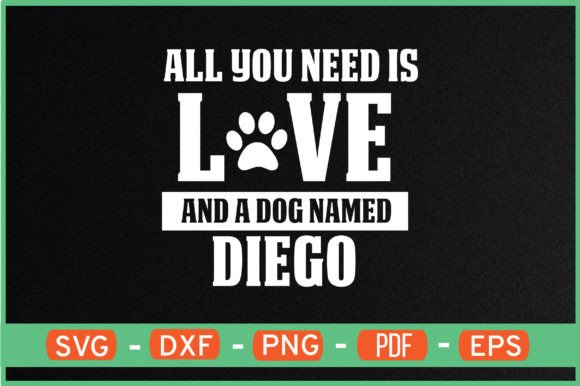
All You Need is Love and a Dog Named Die
When a design lands in my inbox with a title that winks at both Beatles fans and dog people, I pay attention. All You Need is Love and a Dog Named Die is exactly the kind of sentiment that stops scrollers on Etsy and turns heads at craft fairs. It is playful, personal, and distinctly modern — but does it hold up under the needle and on the finished product? I put this digital file through a real project workflow to see how it behaves in actual embroidery work, not just on a screen.
First Impressions and Visual Personality
This design leans into a warm, slightly irreverent mood. The phrase feels like something you would stitch onto a gift for a friend who treats their dog like family — which is most of us. The layout is balanced without being stiff. There is a natural rhythm to the words and the implied shape of the composition. It does not scream for attention, but it invites a second look. That kind of quiet confidence works well on everyday items that people actually use: a tote bag they carry to the farmers market, a sweatshirt they wear on weekend walks, a towel hanging in the kitchen. The design does not rely on heavy ornamentation. Its charm comes from the message and the clean presentation of the lettering and any accompanying graphic elements. For an embroidery file intended for both personal projects and commercial embroidery, this kind of readability is a strong foundation.
Where This Design Naturally Belongs
After testing the layout on several fabric types and product blanks, I can say that All You Need is Love and a Dog Named Die fits naturally into a handful of product categories. It performs especially well on custom apparel like sweatshirts and t-shirts. The sentiment is broad enough to appeal to a range of ages but specific enough to feel intentional. I can see this working on baby embroidery projects as a playful nursery decoration — think a small hoop on the wall or a onesie for a family with a beloved dog. It also works beautifully on embroidered patch projects. The phrase reads like a small personal motto, and patches allow the buyer to attach it to bags, jackets, or denim. For Etsy sellers and small shop product lines, this design offers the kind of repeatability that builds a cohesive brand. It could anchor a small collection of dog-themed items and still feel distinct from the avalanche of generic pet sayings out there.
Real Project Test: Custom Tote Bags and Sweatshirts
I stitched this design onto a cotton canvas tote bag and a mid-weight crewneck sweatshirt to see how it behaved on different surfaces. On the tote, the design read clearly and maintained its shape through the stitching process. The fabric texture of canvas gave the lettering a slightly softened look, which actually enhanced the friendly tone of the message. On the sweatshirt, the design sat well on the front chest area without distorting the fabric. Because the sentiment is horizontal and relatively compact, it does not pull or pucker on stretchy materials when properly stabilized. I used a medium-weight cutaway stabilizer for both tests and saw no registration issues. The design held its alignment and the stitch details stayed crisp. For handmade product sellers, this kind of reliability is crucial. Customers do not tolerate crooked letters or distorted shapes on a personalized gift. This design, when hooped correctly, delivers the clean finish that builds buyer trust.
When and Where to Use This Design Carefully
No design is universal, and I always look for the edges where a file might cause trouble. All You Need is Love and a Dog Named Die works best at a moderate hoop size. If you try to cram it into a very small hoop, the lettering may become too dense and the finer details could blur. I recommend testing it on scrap fabric first at your intended size before committing to a final product. On thin fabric like lightweight t-shirts, you need a good stabilizer to prevent the stitches from tunneling or distorting the weave. On dark fabric, the design still reads well if you choose thread colors with enough contrast. I tested it on black fabric with bright white thread and the message popped clearly. Avoid placing this design on highly textured fabrics like heavy fleece or ribbed knits unless you are confident in your topping and stabilizer combination. The design does not have excessive stitch density, but any dense lettering can become problematic on uneven surfaces. For curved surfaces like caps, I would size it down and test carefully, as long phrases can wrap awkwardly on a cap front if not adjusted properly.
Practical Embroidery Notes Before You Stitch
Before you commit this design to a final product, there are a few checks I always recommend. First, review the thread colors you plan to use. A single-color version of this design works beautifully and keeps production simple. If you want to add a second color for emphasis, test the contrast in a mockup first. Second, check the hoop size required for your intended dimensions. The design files include SVG and DXF formats, which are common for cutting machine users and can also guide placement for embroidery. Since the product listing notes these formats, it is worth confirming that the software you use for embroidery digitizing or file conversion can handle them. If you are working directly with a machine embroidery format, make sure to verify the stitch count and density before stitching. I always stitch a test version on a piece of scrap fabric that matches the weight of my final product. This step saves time and material, especially if you are producing multiple units for a craft business or a holiday gift run. For commercial embroidery projects, I also recommend checking the licensing terms before selling finished items from this design. The product is listed under Crafts and Graphics, which typically allows for commercial use of the finished product, but it is your responsibility to confirm the specific license included with your purchase.
How This Design Builds Value for Your Brand
In my experience running a small embroidery shop, the designs that sell best are the ones that make someone feel seen. All You Need is Love and a Dog Named Die does exactly that. It speaks directly to dog owners who view their pet as family. That emotional connection translates into higher perceived value for your finished product. When you stitch this onto a handmade product like a personalized tote or a custom sweatshirt, the buyer is not just paying for materials. They are paying for a sentiment that matches their identity. For Etsy sellers and small shop product lines, this design can become a consistent bestseller. It photographs well, works in both single-color and multi-color versions, and fits on a wide range of blanks. It also works as a printable mockup for digital listings, which helps customers visualize the final piece before purchase. The clean layout and straightforward message make it easy to present in product photos without needing elaborate staging. That is a practical advantage when you are producing multiple listings for a craft fair or an online shop update.
Final Thoughts on Real Use
After running this design through several real-world applications, I can recommend All You Need is Love and a Dog Named Die to anyone looking for a versatile, emotionally resonant file for their embroidery projects. It works on apparel, accessories, and home goods. It appeals to a wide audience without feeling generic. And it holds up well under the needle when given proper preparation and stabilizer. Whether you are a design asset seller looking for a reliable file to add to your digital collection, or a creative entrepreneur stitching for customers, this design earns its place in your workflow. Test it on your own blanks, adjust the size and thread palette to match your aesthetic, and let the sentiment do the selling.