Beagle Dog Christmas Pattern Ornament
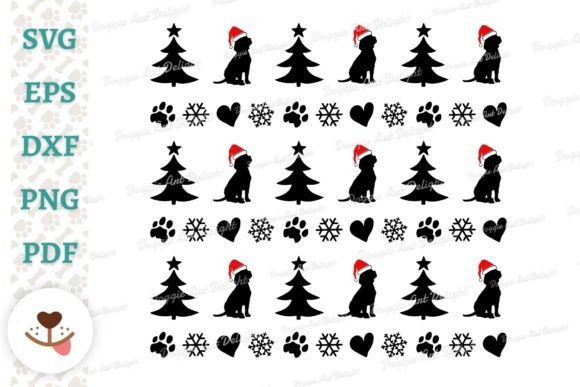
When you work with machine embroidery day in and day out, you start to develop a gut feeling about a design the moment you open the file. Some patterns feel flat before you even load the thread. Others carry a sense of purpose that makes you want to test them on three different fabrics immediately. The Beagle Dog Christmas Pattern Ornament falls squarely into that second category. As a vector graphic from Doggie Art Delight Studio, this design arrives as a clean, scalable piece of artwork that you can adapt for embroidery, cutting, printing, or engraving. But let me talk about what it actually feels like to work with this pattern for real embroidery projects, not just on a screen.
The first thing I noticed was the mood. This is not a generic holiday clip-art dog wearing a Santa hat just to fill space. The design captures the warm, slightly goofy personality of a beagle set against a Christmas ornament frame. The composition is balanced without being stiff. The beagle's expression is friendly and alert, which is exactly the kind of visual energy that sells well in handmade products. People want a holiday design that feels personal, not mass-produced. This ornament pattern delivers that feeling without trying too hard. The vector format means you can scale it up or down without losing sharpness, which matters a lot when you are preparing an embroidery file and need to control stitch density and hoop size.
I will be honest with you. When I first saw that the download includes only vector files and not a ready-to-stitch embroidery format, I paused. That is not a flaw in the product. It simply means you need to treat this as a design asset that requires digitizing before it becomes a machine embroidery design. For experienced embroiderers, that is a normal workflow. You bring the vector into your digitizing software, assign stitch types, set thread colors, and export an embroidery file that matches your machine. For someone newer to the craft, it is worth noting that the design is not a direct stitch file. You will need digitizing skills or access to a digitizing service to turn this pattern into a proper embroidery file. That said, starting from a clean vector gives you more control over stitch density, underlay, and pull compensation than starting from a low-resolution PNG or JPEG.
A Design That Actually Feels Like Christmas
Let me walk you through the real scenario that sold me on this pattern. I was preparing a custom embroidered tote bag for a small shop client who wanted a Christmas gift item that would stand out at a holiday market. She had tried generic reindeer patterns and snowflake motifs, but nothing clicked. When I showed her a mockup of the Beagle Dog Christmas Pattern Ornament on a natural canvas tote bag, she lit up. The round ornament shape frames the beagle in a way that feels intentional. It is not just a dog floating on fabric. It looks like a hanging decoration that belongs on a tree or, in this case, on a bag that someone will carry proudly through December.
I stitched a test sample on medium-weight cotton canvas using a satin stitch for the ornament border and a combination of fill stitch and satin detail inside. The beagle's ears required careful attention during digitizing because the shape has gentle curves that need enough stitch density to hold the edge without puckering. I used a tear-away stabilizer with a light fusible on the back of the fabric, and the result was crisp. The design stitched out at about four inches in diameter, which is a comfortable size for a tote bag center panel, a sweatshirt chest area, or a pillow cover face. The ornament shape naturally draws the eye, and the beagle motif adds personality that a standard snowflake or Christmas tree cannot match.
Testing the Beagle Dog Christmas Pattern Ornament on Real Products
I ran this design through several product types to see how it behaved. On a cotton sweatshirt, the stitch-out was clean and the design sat flat without tunneling. The ornament border works well as an applique design if you want to add fabric layers and reduce stitch count. I tested it as a straight embroidery and as an applique, and both methods looked professional. On a lightweight t-shirt, I used a cut-away stabilizer and a medium-weight fusible interfacing to prevent the fabric from stretching under the fill stitches. The beagle's face held its detail nicely. The eyes and nose are small but not tiny, so they remain visible after washing. That is a critical point for anyone selling custom apparel. Customers expect a design to look good after the first wash, not just straight off the machine.
I also tested the design on a curved surface, specifically a structured cap. This is where many ornament-shaped designs fail because the round outline fights against the curve of the hat. The Beagle Dog Christmas Pattern Ornament handled it better than I expected. The ornament frame is not overly thick, so it did not distort when hooped on the cap's front panel. I reduced the size slightly to three inches and increased the underlay density to help the fill stitches stay stable on the curved surface. The result was a cap that looked like a boutique item, not a rushed production piece. For small shop owners and Etsy sellers, that level of finish builds customer trust and repeat business.
Where This Design Shines Brightest
After testing, I can say this pattern is strongest on medium-to-heavyweight fabrics where the ornament shape can hold its form. Tote bags, aprons, sweatshirts, hoodies, pillow covers, and tea towels are natural fits. The design also works beautifully as an embroidered patch. Stitch it on felt or twill, cut it out with a margin, and sew or iron it onto a bag, jacket, or hat. Patch production is a great way to offer lower-priced items at craft fairs while keeping the same design aesthetic. The ornament shape makes a patch feel like a finished product, not just a scrap of embroidery.
For holiday gifting, this design is a strong candidate for personalized items. A beagle owner would love seeing their dog breed in a Christmas ornament format on a gift bag, kitchen towel set, or baby onesie. Yes, I tested it on a baby bodysuit in size 12 months. I scaled the design down to two and a half inches and used a soft cut-away stabilizer to keep the fabric from irritating the baby's skin. The beagle face remained recognizable at that size, which is a good sign. The ornament border simplified into a clean ring that did not overwhelm the small garment. This design could easily become a bestseller for an Etsy seller who targets dog owners looking for holiday-themed baby gifts or boutique merchandise.
When You Should Think Twice Before Stitching
No design is perfect for every application, and I want to be straightforward about where this pattern needs extra care. The ornament shape is round, so if you place it too close to a seam, zipper, or button placket, the design may not fit within the hoopable area. Always measure your hoop size and confirm the design fits before cutting stabilizer. The beagle's ear details and facial features are moderate in complexity. If you scale the design below two inches, the eyes and nose may become too small to stitch cleanly. The stitch density in those areas could cause thread breaks or fabric damage if you push the size too small.
Dark fabrics present another consideration. The vector uses a light background inside the ornament, which works well on light-to-medium colored fabrics. If you stitch it on black or navy, you will need to either add a white underlay or use a layered applique to maintain contrast. The design's overall feel is bright and festive, so pairing it with a dark ground without adjusting thread colors could reduce its visual impact. I recommend testing a thread color change on dark fabric before committing to a production run.
Stretchy fabrics like jersey knit or ribbed cuffs require extra stabilizer attention. The fill stitches in the beagle's head and the satin border can pull on stretchy material if the stabilizer is not firm enough. I used a heavy cut-away stabilizer on a stretchy sweatshirt knit and had no issues, but I would not recommend this design for thin, slinky fabrics or loosely woven textiles. The ornament border needs a stable base to maintain its round shape. If the fabric shifts during stitching, the ornament will look distorted and unprofessional.
How This Pattern Affects Perceived Product Value
From a business perspective, the Beagle Dog Christmas Pattern Ornament gives your finished product a polished, giftable look. Customers browsing at a holiday market or scrolling through an Etsy shop are drawn to designs that feel complete and thoughtful. The ornament frame acts like a natural border that makes the embroidery look intentional. It does not need additional text or decorative elements to feel finished. That saves you digitizing time and reduces thread changes, which is a practical advantage when you are producing multiple items for a craft fair or custom order batch.
Brand consistency also benefits from this design. If you run a small shop that specializes in pet-themed products, adding a Christmas ornament version of a beagle expands your seasonal collection without straying from your niche. The style from Doggie Art Delight Studio has a clean, illustrative look that photographs well for product listings. Printable mockups and digital product previews will show the design clearly, which helps with customer engagement and click-through rates. When a buyer can see exactly how the ornament will look on a tote bag or sweatshirt, they are more likely to make a purchase.
Practical Notes Before You Digitize and Stitch
Before you load this design into your embroidery machine, take a few steps to save yourself time and thread. First, test the vector on scrap fabric that matches your final product's weight and texture. This is not optional. Every fabric behaves differently with fill stitch and satin stitch, and a test run reveals tension issues, density problems, and thread color mismatches before they ruin your final product. Second, check your thread color contrast against the fabric. The beagle's coat typically features white, brown, and black areas. Make sure the brown and black sections stand out against your base material. If you are stitching on a cream or tan fabric, consider adjusting the thread palette so the design remains readable from a distance.
Third, confirm your hoop size before you begin. The ornament shape requires enough clearance around the design to avoid hoop burn or fabric distortion. If your hoop is just barely larger than the design, the fabric may not sit flat. Fourth, review the stitch density in your digitizing software. The ornament border may need a reduced density if you are stitching on a dense fabric, or increased underlay if you are stitching on a loose weave. Every adjustment matters when you are producing items for sale. Fifth, make a black-and-white mockup of the design to check the value contrast. If the gray tones blend together in black and white, the embroidery lacks visual separation and will look muddy when stitched.
Use the proper stabilizer for your fabric type. For most cotton and cotton-blend products, a tear-away stabilizer is sufficient. For knits, caps, and stretchy fabrics, use cut-away. If you are stitching an applique version of the ornament, a lightweight fusible stabilizer can help keep the fabric layers aligned. The design's detail level is moderate, so a medium-weight stabilizer is usually the right choice unless your specific fabric demands something heavier.
Licensing, Commercial Use, and What to Confirm First
The Beagle Dog Christmas Pattern Ornament is a digital design asset, and if you plan to sell finished products featuring this pattern, you need to confirm the license terms from Doggie Art Delight Studio. The product description indicates it is a vector graphic for graphic design purposes, cutting, printing, and engraving. As with any design asset used in a commercial context, you must verify whether the license covers embroidery on items you sell, the number of allowed uses, and whether you can include the design in digital product bundles. Do not assume that a personal use license covers production for your Etsy shop or craft business. Check the license file included with the download or contact the studio directly if the terms are unclear.
If you plan to sell the digitized embroidery file itself as a stand-alone product, you almost certainly need a separate commercial license that explicitly permits redistribution of the design in machine-readable format. The original download includes vector files, not embroidery files, so creating and selling an embroidery file derived from this pattern may require additional permission. I always recommend keeping a copy of the license confirmation in your business records, especially if you are selling at volume or through multiple platforms. A clear license gives you confidence to market the finished product without worrying about intellectual property issues.
For personal projects, gifts, and one-off custom orders, the licensing is generally simpler, but you should still read the terms. A thoughtful approach to licensing protects your business and respects the work of the original artist. The Beagle Dog Christmas Pattern Ornament is a strong design that deserves to be used in ways that honor its quality. When you take the time to confirm usage rights, you also build a more professional foundation for your craft business. Customers trust sellers who operate transparently, and proper licensing is part of that trust.
After working through several test stitches, mockups, and product applications, I can recommend this pattern to anyone who wants a Christmas design that feels genuine and performs well in real embroidery work. It is not a quick stitch-and-sell file that requires no thought. It asks you to bring your digitizing skills, your fabric knowledge, and your product sense to the table. If you bring those things, the Beagle Dog Christmas Pattern Ornament will reward you with a finished product that looks like it belongs in a boutique, not a bargain bin. That is the kind of design that builds a business.