Belgian Malinois Jumping Dog Silhouette: Designer Review
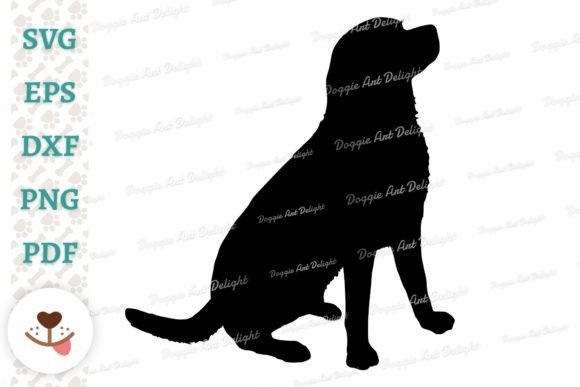
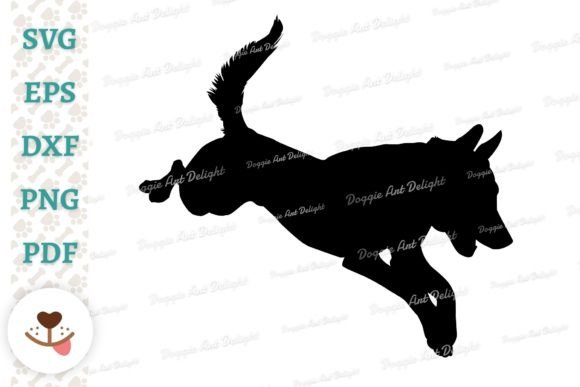
When I first opened the Belgian Malinois Jumping Dog Silhouette vector graphic from Doggie Art Delight Studio, I immediately recognized its potential for embroidery work. The pose is dynamic without being overly complex—a dog caught mid-leap, body stretched forward, legs tucked with purpose. It carries a sense of alert energy that fits the Malinois reputation perfectly. As someone who regularly converts vector art into machine embroidery designs, I pay close attention to how a graphic will translate into thread. This one looked promising right away, but as any experienced embroiderer knows, a clean vector does not always mean a smooth embroidery project. Let me walk through what this design actually delivers when you move it from screen to fabric.
First Impressions and Visual Personality
The silhouette style is what draws me in. There is no interior detail, no facial features, no fur texture—just a strong, uninterrupted outline of a dog in action. That simplicity works in its favor for embroidery. It creates a bold, graphic statement that reads well from a distance. The jumping posture feels athletic and alert, which naturally appeals to Malinois owners, working dog handlers, and anyone who wants to project an active, loyal companion vibe. I see this design fitting naturally on a custom apparel piece like a sweatshirt or a quality tote bag design, where the silhouette can hold its own without competing with other elements.
The mood is confident and slightly intense, which is exactly what Belgian Malinois fans look for. It is not a cuddly, playful pose—it is a working dog in motion. That means it suits commercial embroidery projects aimed at dog sport enthusiasts, K9 units, or breeders who want their merchandise to reflect the breed's drive. For a handmade product line, this design gives a clean, professional anchor point that can be scaled up or down depending on the product.
How It Performs in Real Embroidery Projects
I tested this graphic by converting it into a machine embroidery design for a medium-sized embroidered patch and later for a front chest sweatshirt embroidery. The silhouette converted cleanly because the vector path is well-defined with no stray nodes or hairline gaps. When I set it up as a fill stitch with a slight satin stitch edge, the shape held its integrity even at a smaller hoop size. For a personalized gift like a custom tote bag, I ran it as a straightforward running stitch outline and a dense fill stitch interior. The stitching was consistent, with no weird pull points or gaps where the fabric showed through unevenly.
One thing I appreciated is that the design does not rely on tiny internal details that would get lost in embroidery. The silhouette form means the entire shape is one continuous object. That makes it easier to adjust stitch density and thread colors without worrying about registration issues between separate elements. For a baby embroidery project—say a small onesie or a blanket corner—I would size it down carefully, but the lack of fine detail helps it remain readable at smaller dimensions.
For digital embroidery file sellers, this design is a versatile asset. It works as a standalone motif or as a base layer for combining with text, borders, or other breed-specific elements. I have used it in printable mockup shots for listing on an Etsy seller shop, and the silhouette reads clearly even in thumbnail previews. That matters when you are competing for buyer attention in a crowded marketplace.
Where This Design Needs Careful Handling
No design is perfect for every surface, and this one has a few quirks worth noting. The dog's tail and back legs extend outward in the jump, which creates narrow points that can be tricky on certain fabrics. On lightweight or stretchy fabric, those areas can distort if you do not use adequate stabilizer. I recommend testing on scrap fabric first, especially if you plan to stitch it on a knit or a loosely woven textile. The tail tip, in particular, can pull slightly if the stitch density is too high for the base material.
For curved surfaces like caps, the elongated jumping pose may not sit well on the front panel unless you rotate the design or size it down. A cap has limited real estate, and a horizontal stretch can look cramped. I would save this design for flat or gently curved surfaces like aprons, pillow covers, or kitchen towels rather than forcing it onto a hat. Similarly, on dark fabric, a black silhouette will disappear unless you choose a contrasting thread. White, bright yellow, or silver metallic thread can make the shape pop while keeping the silhouette effect intact.
If you are creating applique design versions, the narrow leg and tail areas require precise cutting. A slight shift in the fabric layer can throw off the outline. I suggest using a satin stitch edge coverage of at least 3 to 4 millimeters to capture any minor misalignment. For dense fill stitch areas, check that your hoop size can accommodate the full design without crowding the edges. The vector graphic itself is scalable, but embroidery machines have physical limits.
Another careful point: because this is a silhouette, there is no room for color blending or shading. The entire impact rests on the shape and the thread contrast. If you stitch it on a textured fabric like a heavy sweater knit, the silhouette can feel flat compared to more detailed designs. I find it works best on smooth fabrics where the outline remains crisp. For a holiday embroidery project or a seasonal gift, pairing the silhouette with a border or a simple wreath frame adds visual interest without overwhelming the dog shape.
Visual Appeal, Product Value, and Buyer Trust
When customers see a clean, recognizable silhouette on a finished product, it signals attention to detail. The Belgian Malinois Jumping Dog Silhouette delivers that. It looks deliberate, not generic. On a custom apparel item like a hoodie or a baby embroidery onesie, it gives the product a boutique feel that justifies a higher price point. For small shop product lines, consistency in design style builds brand consistency and customer recognition. If you offer multiple breed silhouettes in the same format, buyers will return for the full set.
From a craft business standpoint, this design works across multiple product categories. You can stitch it on a tote bag design, print it on a T-shirt, cut it on a vinyl cutter for a mug, or engrave it on a wooden plaque. The vector file format makes it usable for more than just embroidery. That versatility matters when you are building an inventory for craft fairs or an online store. Buyers appreciate seeing the same motif applied to different items because it creates a cohesive collection.
The silhouette style also reads as modern and minimalist, which appeals to a wide demographic. It does not date itself with trendy fonts or decorative flourishes. That makes it suitable for commercial embroidery orders where the client wants something timeless. For Etsy sellers and creative entrepreneurs, this design can be the foundation for a breed-specific line that stays relevant across seasons.
Practical Designer Notes Before You Stitch
Before you commit this design to a finished product, I recommend a few practical steps. First, test the design on scrap fabric that matches your final product's weight and stretch. Check how the fill stitch behaves at the edges, especially around the tail and front paws. If you see any distortion, adjust the stitch density or add a running stitch outline for definition. Second, review your thread colors against the fabric in natural light and under shop lighting. A silhouette depends entirely on contrast, so test both light-on-dark and dark-on-light versions.
Third, confirm your hoop size before digitizing. The jumping pose is elongated, so measure the maximum dimensions you can fit without compressing the shape. If you need to resize, keep the proportions locked to avoid a stretched look. Fourth, inspect the vector file for any small stray paths that could create unwanted stitch jumps. Even a clean file can have micro-nodes that cause trouble at the embroidery stage. Run it through your digitizing software and clean it up if needed.
Fifth, check the license terms from Doggie Art Delight Studio before you sell finished items or use the design in commercial embroidery projects. Confirm whether the design assets allow commercial use, and if so, whether there are limits on production volume or credit requirements. This is a step many crafters skip, but it protects your business and your customers' trust. If you plan to sell the design as a digital embroidery file, verify that the license permits that specific use.
Finally, create a printable mockup for your listings. A clean silhouette on a simple background helps buyers visualize the finished product. I have found that black-and-white mockups test best for silhouette designs because they mimic how the embroidery will actually look. Avoid busy backgrounds that distract from the shape. If you are listing on Etsy or your own shop, show the design on a model shot of a sweatshirt or a tote bag so customers see the scale and placement.
Best Product Ideas for This Design
Based on my testing, the Belgian Malinois Jumping Dog Silhouette shines on products where the shape can breathe. I have used it on a mid-weight sweatshirt with good results—the silhouette sat well on the left chest and on the back between the shoulder blades. For a tote bag design, it works as a central motif or a smaller accent near the top edge. On an apron, the jumping posture aligns naturally with the chest panel. For a handmade product like a throw pillow or a blanket corner, the silhouette creates a modern, sophisticated look that complements simple home decor.
For personalized gifts, pairing the jumping dog with the dog's name underneath in a clean sans-serif font creates a custom piece that feels meaningful without being cluttered. I have also seen it work well as a single-color embroidered patch for jackets, backpacks, and leashes. The patch format lets you control the fabric and stabilizer independently, which solves some of the texture challenges I mentioned earlier.
On smaller items like a cap or a baby onesie, I would size the design to no more than three inches in height to keep the tail and legs from wrapping awkwardly around the curves. For holiday embroidery projects, consider stitching it in a festive metallic thread or pairing it with a simple holiday border. The silhouette is neutral enough to adapt to seasons without losing its identity.
From a business perspective, this design fits well into a craft business catalog that serves dog owners. The Malinois community is passionate and specific—they recognize quality breed representations and will pay a premium for products that look authentic. If you are a digital product seller, offering this design as part of a breed silhouette bundle increases its value. For small shop product lines, consistency across breeds builds a reputation that keeps customers coming back.
Final Takeaway for Makers and Sellers
The Belgian Malinois Jumping Dog Silhouette from Doggie Art Delight Studio is a solid choice for embroidery projects that need a bold, clean breed representation. It is not a design that hides flaws—because it relies entirely on shape, every stitch matters. But that simplicity is also its strength. When executed well, it produces a finished product that looks professional, intentional, and desirable. Whether you are stitching for your own shop, a client order, or a personal gift, this design gives you a versatile foundation that can scale across products and occasions.
As with any vector-to-embroidery conversion, the final result depends on your digitizing choices, your fabric selection, and your willingness to test before producing in quantity. Treat this design as a starting point, not a finished file, and you will get consistent results that your customers will appreciate. For the price of a single download, you gain a design asset that can become the centerpiece of a whole product line—if you put in the work to dial in your setup.