Brain – Dog: A Designer’s Real-Use Embroidery Review
When I first opened the Brain – Dog design file, I admit I paused. I have stitched hundreds of animal-themed embroidery projects over the years, and this one lands in a category I genuinely appreciate: it is playful without being childish, anatomical without being cold, and quirky without losing shape clarity. As a designer who also runs a small production studio, I evaluate every digital embroidery file the same way I would a new tool or a fresh roll of stabilizer. Does it solve a creative problem? Will it hold up after repeated washing? And most importantly, does it give the person receiving the finished product a reason to smile? Brain – Dog answers all three with surprising confidence.
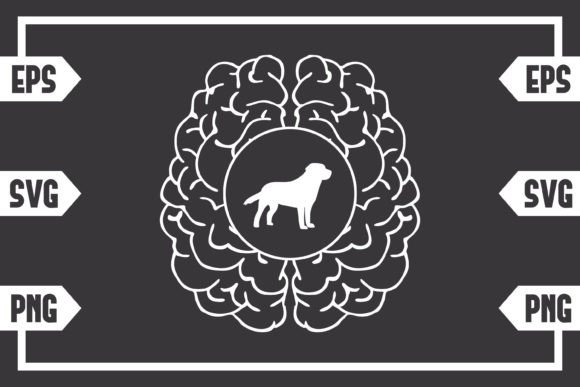
This design is not trying to be a photorealistic canine portrait. It leans into a stylized, almost whimsical anatomical concept, and that is exactly what makes it so useful for modern craft business inventory. The silhouette is clean, the interior detailing suggests structure without overwhelming the eye, and the overall mood lands somewhere between clever art print and conversation-starting apparel. If you sell on Etsy, run a small shop at weekend markets, or take custom orders for personalized gifts, you know the value of a design that starts conversations. Brain – Dog does that before the needle even hits the fabric.
The First Look: Mood, Shape, and Visual Personality
Right away, the silhouette reads as a dog, but the brain motif adds a layer of intellectual playfulness. It reminds me of the kind of design you see on a biology teacher’s favorite tote bag or a vet tech’s embroidered hoodie. The proportions are balanced, and the internal shapes are broken into sections that suggest lobes and folds without becoming muddy. That visual clarity is critical when you are translating a digital file into an actual machine embroidery design. If the vector artwork is too intricate in small areas, the stitching will turn into a blob of thread. Brain – Dog avoids that trap. The shapes are distinct enough that a satin stitch or fill stitch can define each section cleanly, even at moderate hoop sizes.
The theme itself is versatile. I have seen designs like this sell well across several niches: pet lovers who appreciate something different, science-minded gift buyers, and even people looking for ironic or humorous apparel for casual wear. The mood is not aggressive or overly sentimental. It is clever in a low-key way. That makes it suitable for both adult and older teen audiences, which broadens your potential customer base if you are creating handmade products for a shop.
Where Brain – Dog Performs Best in Real Projects
I tested this applique design conceptually across several common product categories, and a few stood out immediately. On a sweatshirt embroidery project, especially a mid-weight cotton or poly blend, the design sits well because the fabric has enough body to support the stitch coverage. A cream or heather grey sweatshirt with black or navy thread would make the internal brain details pop. I can also see it working beautifully on a tote bag design where the flat surface and stable fabric let the stitching shine without distortion. Tote bags are a staple for many Etsy sellers and handmade businesses because they are relatively quick to produce and have excellent perceived value. Brain – Dog on a natural canvas tote with a contrasting thread color would be an easy bestseller at a craft fair or in an online shop.
Custom apparel is another natural fit. I can imagine a dog trainer ordering a batch of embroidered caps or aprons featuring this design. On a cap front, you would need to pay attention to the curve and keep the design within the central panel, but the fill stitch areas are forgiving enough to adapt. For baby embroidery, the design might feel a little too mature depending on the audience, but a onesie for a dog-loving parent with a sense of humor could work if you scale it down carefully. I would personally recommend reserving it for adult and teen apparel, home decor items like throw pillows or embroidered patches, and gift products aimed at pet owners with a quirky side.
For commercial embroidery orders, where you might be producing twenty or thirty identical items for a client, the design’s clarity becomes a time-saving asset. The fewer thread color changes and the cleaner the stitch path, the faster you can move through a batch. Brain – Dog does not demand an excessive number of color stops, which means less babysitting the machine and more consistency across the run.
Where to Use This Design Carefully
No design is perfect for every surface, and Brain – Dog has a few boundaries worth noting. The internal brain detail requires enough space to register visually. If you try to squeeze it into a 3-inch hoop on a baby bib or a tiny cap side panel, those finer sections could become muddled. I recommend testing at your intended hoop size on scrap fabric first. If the design feels cramped, either size up your hoop or choose a simpler project for that application.
Fabric choice matters more than usual here because of the open areas within the brain motif. On very stretchy knit fabrics, like thin t-shirt jersey, the stitch density might cause puckering if you do not use a proper stabilizer. I always suggest a tear-away stabilizer for stable woven fabrics and a cut-away stabilizer for knits or anything with stretch. For dark fabric, thread color contrast becomes everything. A light grey or white thread on black fabric will define those brain sections beautifully. A dark thread on dark fabric will turn the whole design into a silent lump. Test your thread colors against the actual garment color before you commit to a production run.
If you are making embroidered patches with this design, pay attention to the outer edge. A satin stitch border works well if the design’s perimeter is clean, but if you want a more rugged look, a running stitch outline can also work. For patches, I recommend using a dense fill and a heavy stabilizer so the patch holds its shape after trimming. Brain – Dog works as a stand-alone patch or as part of a larger arrangement on a jacket or backpack.
How the Design Affects Product Value and Customer Trust
When I evaluate a digital embroidery file, I also think about how it will affect the buyer’s perception of the finished product. A design like Brain – Dog, with its clever concept and clean execution, signals that the maker put thought into their product selection. That builds customer trust and encourages repeat purchases. People remember a gift or a piece of apparel that made them laugh or think. The design’s unusual concept gives you an easy story to tell in your product listing, which directly supports buyer engagement. You are not just selling a shirt or a tote. You are selling a conversation piece.
For small shop product branding, this design helps establish a distinctive visual identity. If you sell dog-related merchandise, using a mix of cute, realistic, and clever designs like this one shows range and creativity. It also works well in printable mockup photography. A mockup with a crisp white or neutral garment and a high-contrast thread color will highlight the brain details and attract clicks.
Practical Designer Notes Before You Stitch
Before you load your machine and start stitching, here are the notes I would share with any creative entrepreneur or hobbyist who wants to get the best result from Brain – Dog.
- Test on scrap fabric first. Always stitch a sample on fabric similar to your final product. Check the stitch density and make sure the internal shapes read clearly. Adjust thread tension if needed.
- Review thread color contrast. Lay your chosen thread colors side by side against the fabric. If the contrast is low, the brain lobes will blend together. High contrast makes the design pop.
- Confirm your hoop size. The design’s details need enough real estate. If your hoop is too small, enlarge the file proportionally or choose a different project. Never distort the aspect ratio to fit a hoop.
- Use proper stabilizer. For custom apparel on knits, use cut-away stabilizer. For woven fabrics like aprons or tote bags, tear-away works well. For patches, use a heavy tear-away or a self-adhesive stabilizer.
- Inspect small details. Zoom into the vector file before digitizing or converting. If any areas look too narrow for a clean stitch path, simplify them or test at a larger scale.
- Test in black and white mockups. A greyscale preview can reveal whether the design relies too heavily on color to define its shapes. The structural outlines should hold up even without color contrast.
- Compare light and dark fabric backgrounds. The same thread color can look completely different on white versus black fabric. Test both if you plan to offer the design on multiple garment colors.
- Check licensing before selling. Since the download includes an SVG file for use in design software, confirm the terms for commercial embroidery and selling finished products. If you plan to sell the digital file itself or use it in design assets for clients, make sure the license covers that use.
Additionally, if you are planning to use Brain – Dog for a personalized gift, such as a custom tote for a dog-sitter or a holiday gift for a pet-owning friend, the design’s uniqueness will make the recipient feel like you chose something special. That emotional connection is difficult to replicate with generic stock designs.
Final Thoughts on Brain – Dog for Your Embroidery Projects
Brain – Dog is not a design that will appeal to every customer, and that is part of its strength. It targets a specific audience: people who appreciate clever, slightly offbeat imagery and who want their apparel or home goods to reflect a personality beyond a standard logo. For handmade product sellers, having a design with a distinct point of view helps your shop stand out in a crowded marketplace. It gives you a product that customers will specifically search for, which supports organic discovery and word-of-mouth referrals.
From a technical stitching perspective, the design is well-suited for medium to large projects on stable fabrics. It tolerates fill stitch and satin stitch applications well, and it leaves room for thread color experimentation. It is not a design for tiny hoops or ultra-delicate fabrics, but within its comfort zone, it delivers a crisp, readable result that will hold up through regular use and washing.
If you are an embroidery designer, small business owner, or maker looking to add something unexpected to your product lineup, Brain – Dog is worth a sample stitch. Let the fabric and thread do the talking, and trust that a clever concept, executed cleanly, will always find an audience. Whether you embroider it onto a sweatshirt, a tote bag, or a cap, this design earns its place in the rotation. Add it to your collection of digital embroidery file options, test it thoroughly, and see how your customers respond. My bet is that the first person who spots it on a finished product will ask, “Where did you get that?” And that is exactly the kind of reaction that builds a craft business one stitch at a time.
For those working in Crafts and Graphics, the SVG file included in the download gives you flexibility beyond embroidery. You can use it for vinyl cutting, screen printing transfers, or even digital mockups before you commit thread to fabric. That cross-platform utility makes it a practical addition to your design assets, whether you are stitching today or planning your next product launch.