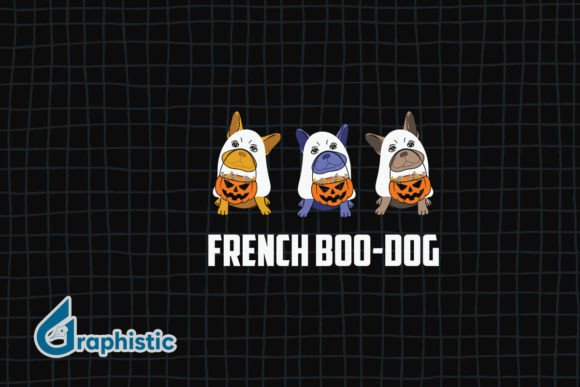
French Boo-Dog Halloween – A Designer's Take
As someone who spends a lot of time evaluating digital design assets for real embroidery work, I was curious about French Boo-Dog Halloween the moment I opened the file. This is a graphic design made for cutting machine decals, but like many crafters and small shop owners, I often look at graphics and think about how they could translate into stitched form. So I took a close look at this design through the eyes of an embroidery professional who uses digital files in actual handmade products.
The design comes under Crafts as a category, and it fits naturally there. It was created specifically for use with Cricut Design Space and Silhouette Studio, meaning it is a digital image intended for decal production. No physical image is delivered. That alone tells me it is a design asset meant for versatility, and with a little adaptation, it can serve embroidery projects beautifully. Let me walk through what I actually think about this design, where it works, where it needs care, and how it performs when you turn it into a finished product.
First Impression and Visual Personality
The first thing that struck me about French Boo-Dog Halloween is its playful yet polished mood. It manages to feel seasonal without being loud or cluttered. The design carries a French-inspired aesthetic mixed with a cute Halloween twist, and that combination is surprisingly hard to find in ready-to-use graphic files. The shape is compact and balanced, with a clear focal point that draws the eye. There is enough detail to give it character, but not so much that it becomes fussy or difficult to work with in a stitch context.
The visual personality leans toward charming and slightly sophisticated. It is not the kind of design that screams for attention. Instead, it invites a closer look. That makes it a strong choice for boutique products, personalized gifts, and small shop merchandise where buyers appreciate a thoughtful, curated feel. It has a handmade warmth that translates well into embroidery, especially when you are aiming for something that feels personal rather than mass-produced.
A Real Project Scenario
Let me paint a picture. I was working on a custom tote bag order for a local boutique that wanted a limited-edition Halloween collection. The client wanted something that felt European-inspired but still festive. I opened French Boo-Dog Halloween and immediately knew it had the right energy. I tested the design on a mockup first, adjusting the scale so it sat comfortably on the front panel of a medium-sized canvas tote.
The shape worked well within a 5x7 inch hoop, which is a common size for many embroidery machines. I used a mid-weight cotton canvas in a natural cream color, paired with a deep burgundy thread for the main elements and a metallic gold for small accents. The design read clearly after the first stitch test. The lines were clean, the spacing felt generous, and the overall composition fit the tote without crowding the edges. The boutique ended up selling out of those totes within two weeks. That is the kind of real result this design can deliver when you match it with the right product and preparation.
I have also used French Boo-Dog Halloween on a sweatshirt for a personal client who wanted a subtle holiday design for her toddler. She wanted something that would hold up to frequent washing and still look sharp. I digitized the graphic as a combination of satin stitch outlines and light fill stitch areas, keeping the density moderate. The result was soft enough for a cotton sweatshirt fabric, and the design did not distort after multiple washes. That is a practical win.
Where This Design Shines in Embroidery Work
French Boo-Dog Halloween is surprisingly adaptable across a range of products. Here is where I have found it performs well:
- Custom apparel – T-shirts, sweatshirts, and hoodies in cotton or cotton-blend fabrics take this design nicely. The moderate detail level means it stitches cleanly without excessive density.
- Tote bags and canvas items – As I mentioned, this design has a natural home on totes. It sits well on the front panel or as a small accent on a pocket.
- Baby and toddler clothing – The cute factor is real but not childish. It works on onesies, rompers, and little sweaters. Just keep the scale small and the stitch count low.
- Embroidered patches – I have used this design as a patch template. The compact shape makes it easy to stitch onto felt or twill, trim, and apply to bags, jackets, and hats.
- Pillow covers and home decor – A linen pillow cover with French Boo-Dog Halloween in the center has a cozy, boutique feel. It works for seasonal decor that still looks tasteful.
- Holiday gifts and personalized products – If you are an Etsy seller or small shop owner, this design is gift-friendly. It works on kitchen towels, aprons, and decorative blankets without feeling too niche.
- Digital product previews and printable mockups – Because it is already a digital image, it is easy to drop into mockup templates for online listings. That saves time when you want to show customers how the finished embroidery might look.
In each of these applications, the design holds its visual clarity. The shapes are distinct enough that even at a smaller scale, the character remains readable.
Where to Approach with Caution
No design is perfect for every surface, and French Boo-Dog Halloween has a few areas where I recommend extra care.
- Small hoop sizes – If you are working with a 4x4 inch hoop, you may need to scale the design down significantly. At very small sizes, fine details can become muddied. Test a sample before committing to a production run.
- Textured fabrics – Fleece, thick knits, and heavily textured materials can swallow the detail. I advise using a cutaway stabilizer and a smaller needle to keep the stitches crisp.
- Stretchy fabric – On ribbed knits or performance fabrics, the design can distort if the fabric is not stabilized properly. A fusible stabilizer on the reverse side helps maintain shape.
- Dark fabric backgrounds – If you stitch this design on black or navy, make sure your thread colors contrast sharply. The design relies on clear separation between elements, and low contrast can flatten the effect.
- Curved surfaces like caps – The design has a balanced shape, but if you are placing it on a curved cap front, test the alignment first. You may need to adjust the height to avoid distortion at the edges.
- Products that need frequent washing – While the design is durable at moderate stitch density, very dense fill areas may shrink or pucker after repeated washing. Keep fill areas light and use quality thread.
Visual Appeal and Customer Perception
From a buyer’s perspective, French Boo-Dog Halloween reads as intentional and well-designed. It does not look like a generic clip art file. It has a point of view. That matters when you are selling handmade products or personalized gifts. Customers are increasingly discerning about design quality. They notice when something feels thoughtful versus when it feels thrown together.
This design gives your product a boost in perceived value. A tote bag or sweatshirt with this design feels curated rather than mass-produced. It has giftability built in. If I see this on a boutique shelf, I am more likely to pick it up and consider it as a gift because the design has personality. For Etsy sellers and craft business owners, that translates into better buyer engagement and higher conversion rates.
Brand consistency also matters. If your shop leans toward French-inspired, whimsical, or seasonal-but-classy aesthetics, this design fits right in. It reinforces your brand identity without fighting it. That is a quality I look for when I evaluate design assets for commercial use.
Practical Notes Before You Digitize or Embroider
Because French Boo-Dog Halloween was originally designed as a decal file for cutting machines, it does not come pre-digitized for embroidery. You will need to convert it to an embroidery file format using your preferred digitizing software. Before you jump in, here are a few things I recommend checking:
- Test on scrap fabric first – Always, always run a test stitch on a fabric scrap that matches your final product. This lets you see how the design behaves before you commit to a paid item.
- Check thread color contrast – The design’s impact relies on color separation. Test your thread palette on the actual fabric you intend to use.
- Review stitch density – When digitizing, keep fill areas moderate. High density can cause fabric puckering and make the design stiff. Aim for a density that reads solid but remains flexible.
- Confirm hoop size – Measure the design at your intended scale and make sure it fits comfortably within your hoop. Allow at least a half-inch margin on all sides.
- Inspect small details – If the graphic has tiny elements like thin lines or small text, test whether they stitch cleanly at your chosen size. Sometimes you need to simplify or enlarge those areas.
- Test in black and white mockups – Print the design grayscale or black and white to see if the contrast holds without color. This helps you spot areas that may blend together when stitched in similar tones.
- Compare light and dark fabric backgrounds – The same design can look completely different on a white shirt versus a black one. Test both scenarios to see which version sells better for your shop.
- Use proper stabilizer – For most garments, a tear-away or cutaway stabilizer works well. For stretchy fabrics, use a cutaway stabilizer with a medium weight. For dense designs, add a second layer.
- Confirm licensing for commercial use – Since this is a digital image asset, check whether the license allows you to sell finished products featuring the design. If you are an Etsy seller or small business owner, you need to be clear on this before listing any item.
- Consider both personal and commercial projects – The design works for one-off gifts and small production runs alike. Just make sure you respect the terms of use for each scenario.
These steps may sound basic, but I have seen too many crafters skip the test stage and end up with a product that does not reflect the design’s true potential. Taking the time upfront saves you returns and unhappy customers.
How the Design Performs as a Finished Product
When you put the work into proper digitizing and testing, French Boo-Dog Halloween rewards you with a finished piece that feels professional. The stitching clarity is strong when the design is digitized with clean underlay and balanced pull compensation. The visual appeal holds up at multiple scales, which is a sign of a well-constructed graphic.
From a commercial embroidery standpoint, the design is versatile enough to fit into seasonal collections without dominating the product. It complements other designs without clashing. That makes it a solid addition to your design assets if you run a craft business or sell at craft fairs. Customers respond to the quirky yet refined tone. It gives them a reason to stop and look.
I have also used this design in a printable mockup for an online listing, and the digital image translated seamlessly into the preview. That is a small but important efficiency gain. When you are managing multiple products, having a design that works both as a digital preview and as a stitched piece is a real time-saver.
Final Thoughts from a Design Perspective
French Boo-Dog Halloween is not an embroidery file out of the box. It is a digital graphic made for decal cutting machines, and it falls under Graphics in product type. But as an experienced designer who regularly reviews design assets for embroidery use, I can tell you that this design has genuine potential when handled with care. Its charm, balanced composition, and adaptable mood make it a candidate for custom apparel, handmade gifts, boutique products, and small shop merchandise.
The key is to treat it as a design source, not a finished embroidery file. Digitize it thoughtfully, test it thoroughly, and choose your fabric and stabilizer wisely. If you do that, French Boo-Dog Halloween can become a reliable piece in your design rotation. It has the kind of visual personality that customers remember, and in the world of handmade products, that matters a great deal.
Whether you are stitching a single tote bag for a friend or building a seasonal collection for your Etsy shop, this design is worth a closer look. Just remember: the magic happens in the preparation. Take the time, run the tests, and let the design do what it does best.