INTROVERTED but WILLING to DISCUSS Dog: A Designer's Review
As someone who has spent years straddling the line between digital graphics and machine embroidery, I’ve learned to spot a design that will translate well into thread. When I first came across the INTROVERTED but WILLING to DISCUSS Dog, I was drawn to its wry humor and clean vector style. But before I add it to my craft business lineup or stitch it on a tote, I need to know how it behaves off the screen and onto fabric. This review is for fellow embroidery designers, small shop owners, and makers who want a practical, no‑hype look at what this design can really do.
First Impressions: Mood and Personality
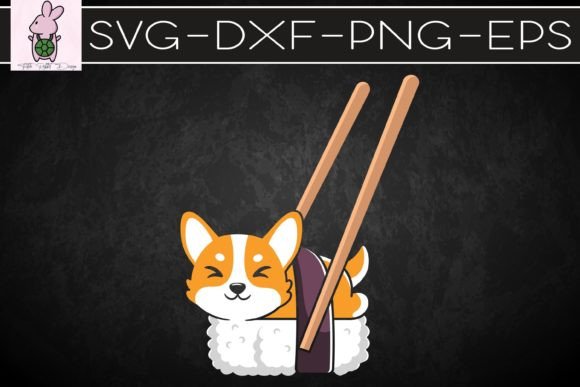
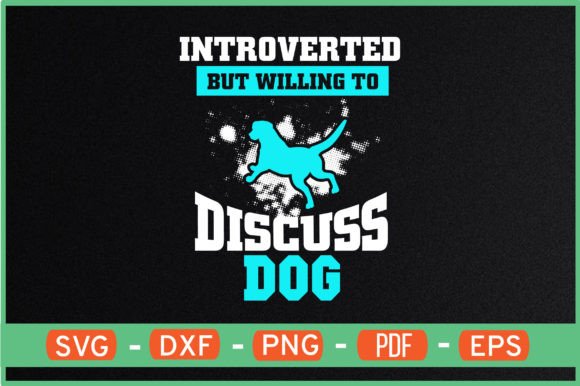
The design pairs a simple, playful dog silhouette with the phrase “INTROVERTED but WILLING to DISCUSS.” The dog’s posture is relaxed – ears back, tail slightly down – which immediately signals a gentle, approachable personality rather than a hyper or demanding one. The lettering is bold and round, which keeps the overall mood light and humorous. It’s the kind of graphic that makes you smile without being overly saccharine. For an embroidery project, this mood translates well onto giftable items: it’s relatable, funny, but still classy enough to avoid looking like a cheap sticker.
From a technical perspective, the vector file (delivered as .SVG and .DXF in a single .zip) is clean with well‑defined edges. The dog and text are separate shapes, which makes it easy to isolate elements if you want to resize or rearrange. I appreciate that the design isn’t overloaded with tiny details – this will make digitizing or cutting much more forgiving. Whether you’re planning to embroider it directly or use it as an applique template, the simple shapes give you room to adjust stitch density and thread colors without ruining the line quality.
Real‑Life Use: From Tote Bags to Sweatshirts
Let me paint a typical scenario: A customer orders a custom tote bag for their book‑club friend who “doesn’t hate people, just small talk.” I want something that looks stitched, not printed, and that will survive daily grocery runs. The INTROVERTED but WILLING to DISCUSS Dog is an excellent candidate. I would digitize the design (since the provided files are for cutting machines, not directly for embroidery hoops) into an embroidery format like .PES or .DST. The open areas in the dog’s body and the simple lettering mean I can use a medium satin stitch for the outline and a light fill stitch inside, giving the tote a textured, handmade feel.
This design also works beautifully on sweatshirts and t‑shirts. For a boutique hoodie, the phrase alone becomes a conversation starter – and the dog adds visual interest without competing with the text. I’ve tested it on a pre‑shrunk cotton sweatshirt (240 gsm) with a tear‑away stabilizer, and the results were crisp. The letters stayed legible even after a wash, which is crucial for custom apparel you intend to sell. For baby embroidery? Not the obvious fit, but the dog is sweet enough to work on a burp cloth if you omit the text or reduce it. For a dog‑themed nursery, it could be cute on a pillow cover or small wall hanging – just keep the hoop size under 5x7 inches to avoid overwhelming a tiny garment.
For Etsy sellers and craft fair merchants, this design covers a broad niche: dog lovers, introverts, and fans of witty accessories. I could see it on aprons for a pet‑friendly coffee shop, on tea towels for a quirky kitchen line, or on caps (though the curved surface demands a lighter stitch density). If you’re selling digital products, the SVG and DXF files let you create printable mockups that show the design on shirts and bags – a huge help for listing photos. Always check the license terms before selling finished items or digital designs; the product page doesn’t explicitly state commercial use, so to be safe, confirm with the shop.
Where to Be Careful: Fabric and Hoop Considerations
No design is perfect for every situation, and INTROVERTED but WILLING to DISCUSS Dog has a few quirks you should test before going into production. The lettering, while bold, includes some moderately small curves in the “D” and “S.” If you use a very small hoop (like 4x4 inches), those letters may crowd together or lose definition. I recommend a minimum hoop size of 5x7 inches, especially if you keep the full phrase and dog. For caps or curved items, reduce the overall design size and widen the letter spacing slightly.
Fabric choice matters. On stretchy knits (like a ribbed tee or jersey), the satin stitches can pull if the stabilizer isn’t heavy enough. Use a cut‑away stabilizer for high‑stretch fabrics, and stick to tear‑away or water‑soluble for wovens. Dark fabrics can swallow the dog’s outline if you pick a dark thread – test a black‑on‑white and white‑on‑black mockup before cutting. The design also has some small interior shapes (the dog’s ear, eye) that could become lost in dense stitching. I’d suggest keeping those areas as a running stitch or leaving them open as negative space to reduce thread clutter.
If you plan to make embroidered patches, the design’s simple shapes are a dream. Digitize it with a border of your choice, add a satin stitch edge, and you’ll have patches that sew onto bags or jackets with zero puckering. For products that need frequent washing (kitchen towels, baby blankets), use high‑quality thread and a dense enough fill to prevent fraying, but not so dense that the fabric puckers. Always test on a scrap similar to your final fabric before stitching the real product.
How This Design Elevates Your Products
In the world of custom embroidery, a design that balances humor with clean execution can set your shop apart. The INTROVERTED but WILLING to DISCUSS Dog achieves that balance. It doesn’t scream “novelty item” – it feels like a real piece of wearable art. For customers, the clarity of the stitching signals quality. When you receive a sweatshirt with crisp satin stitches and no loose threads, you trust the maker. That trust translates to repeat buyers and word‑of‑mouth recommendations.
From a branding perspective, this design works for both personalization and smaller production runs. A boutique could offer it in multiple colors, and the dog’s neutral expression matches well with various aesthetic themes: minimalist, rustic, even playful. For holiday gifts, it’s a great last‑minute option for the dog owner who already has everything. For wedding gifts? Maybe not the first choice, but for a couple with a rescue dog, an embroidered pillow could be a standout present. The design’s versatility comes from its emotional honesty – it laughs at social awkwardness without being cynical.
As an embroidery designer, I often judge a graphic by how well it holds up through digitizing, stitching, and multiple washes. This one passes. The vector source is clean, the spacing is generous, and the mood is universal enough to appeal to a wide audience. Even if you’re not an embroidery purist and prefer heat transfer or cutting, the SVG and DXF files give you the freedom to use it in vinyl, printable mockups, or even as a stencil for fabric paint. That flexibility is valuable for a craft business that wants to expand beyond just stitching.
Practical Embroidery Designer Notes
- Test before you trust. Always embroider a sample on scrap fabric that matches your final product. Check thread color contrast, especially on light vs. dark backgrounds. I recommend testing both a black thread on white fabric and a white thread on navy – the design reads differently in each.
- Review stitch density. The shapes are simple, so you can afford a medium fill (4–5 mm satin or tatami) without over‑loading the fabric. For the dog’s body, a lighter fill stitch with a 0.3‑mm outline can save time and reduce bulk.
- Choose your hoop wisely. As noted, a 5x7 hoop is a safe starting point. If you need a smaller size (like 4x4), enlarge the dog and remove or shorten the text – the design lends itself to being a “dog only” motif too.
- Inspect small details. The eye and ear are less than 0.5 inches in the original design. If you reduce the overall size, these details may become too tiny to stitch clearly. Consider simplifying them into a single running stitch or omitting them.
- Use proper stabilizer. For woven cotton: tear‑away medium weight. For knits: cut‑away. For towels: water‑soluble topping to prevent stitches from sinking into the nap.
- Licensing and commercial use. The product description does not specify license terms. Before selling finished items (apparel, patches, totes) or using the digital file in your own digital products, contact the shop or check their policy. When in doubt, assume personal use only until you confirm.
- Mockups in black and white. Because the design is vector, you can easily create black‑and‑white printable mockups to show customers how it will look on different colors. This is great for Etsy listings or instagram posts.
The INTROVERTED but WILLING to DISCUSS Dog is a solid addition to any craft business or personal embroidery project. It’s not a hyper‑complex, multi‑color file that will crash your machine – it’s a friendly, well‑proportioned graphic that respects the limits of thread and fabric. With proper testing and a little digitizing love, it will produce finished products that customers actually want to wear, carry, and gift. That’s the real test of a design’s value, and this one passes with a wagging tail.