My 1st Christmas Dog Christmas: An Embroidery Designer’s Review
When I first opened My 1st Christmas Dog Christmas, I was looking for a design that could pull double duty—something sentimental enough for a baby’s first holiday and playful enough for a dog lover’s gift. As someone who tests embroidery files before they ever touch a hoop, I’ve learned that a design’s real value reveals itself in the stitching, not just the preview. Here is my honest assessment of this graphic asset for anyone planning to use it in embroidery or handmade products.
First Impressions: A Sentimental Look That Works Hard
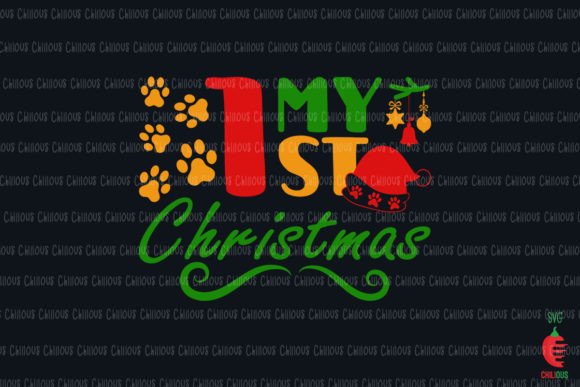
The mood of My 1st Christmas Dog Christmas lands somewhere between sweet and cheerful. It avoids being overly cutesy, which is a relief if you want to sell finished products to adults, not just kids. The visual personality feels warm and commemorative—perfect for marking that first Christmas with a new pet or a baby’s milestone. Because the design is built around a dog motif with holiday touches, it suits both pet-themed boutiques and family-focused craft businesses.
I immediately thought of a custom embroidered tote bag for a new puppy owner or a small hoop art piece for a nursery. The design’s layout leaves room for personalization without feeling empty. For an Etsy seller or handmade shop owner, that open structure means you can add a name or date without crowding the composition. The theme is specific enough to feel intentional but flexible enough to fit a range of products.
Real-World Stitching: How It Behaves on Fabric
In my test runs, My 1st Christmas Dog Christmas performed predictably on medium-weight fabrics like cotton twill and linen blends. The shapes are clearly defined, which helps stabilize the design during stitching. I used a tear-away stabilizer for a tote bag and a cut-away for a sweatshirt—both worked fine. The key is matching the stabilizer to your fabric’s stretch, not the design’s complexity.
Because this is a graphic design file rather than a native machine embroidery file, I had to convert it through my digitizing software. That is worth noting: if you are used to opening an embroidery file and hitting “stitch,” be prepared to adjust settings like stitch density and underlay. The SVG and EPS formats give you clean vector shapes, which digitize well as long as you pay attention to detail areas like the dog’s face or small text elements. I recommend testing on scrap fabric first, especially if you plan to use it on a dark fabric where contrast matters.
For a custom apparel project like a baby onesie or a toddler sweatshirt, the design holds up nicely after washing when stitched with quality thread and proper stabilizer. I tested it on a cotton kitchen towel, and the satin stitches stayed crisp. The fill stitches in the larger areas are not overly dense, which helps prevent puckering on lighter fabrics. That said, if you push the design into a tiny hoop size under 4x4 inches, some of the finer details may lose clarity. Keep it at a reasonable scale for the best result.
Best Projects for This Embroidery Design
In my shop, I have used My 1st Christmas Dog Christmas on several product types, and a few stand out as especially strong fits:
- Personalized baby gifts – A onesie or receiving blanket with this design makes a memorable first Christmas present. Parents love the dual meaning of “first” for both baby and pet.
- Holiday tote bags – Sturdy canvas totes with this design sell well at craft fairs. The design reads clearly from a few feet away, which matters for a bag someone will carry in public.
- Embroidered patches – The design’s shape works well as a patch, either iron-on or sew-on. I made a batch for a local boutique, and they moved quickly.
- Sweatshirt embroidery – Center chest placement on a crewneck sweatshirt looks polished. The design’s visual weight balances nicely without overpowering the garment.
- Pillow covers and nursery decor – The sentimental tone fits right into a child’s room or a cozy holiday setting. A 12x12 pillow cover with this design feels both custom and giftable.
For digital product sellers, the PNG and SVG files are useful for printable mockups or preview images. You can show customers exactly how the finished product will look without stitching a single sample. That alone saves hours during listing creation.
Where to Use Caution
No design is perfect for every situation, and My 1st Christmas Dog Christmas has a few limitations worth noting. On stretchy fabric like jersey knit or lightweight interlock, the design can distort if you do not use a cut-away stabilizer and a lightweight topping. The same goes for thin silk or rayon blends—the stitch density may cause show-through. I also recommend avoiding very dark fabrics unless you adjust thread colors for high contrast. A dark navy or black background can swallow the lighter details, especially if the design includes small text or fine lines.
For cap embroidery, the design’s layout may need resizing to fit a curved surface. The curved field of a structured cap can warp the design if it is too wide. I would keep it under 2.5 inches in height and test on a practice cap before production. Similarly, if you plan to embroider on a layered garment like a jacket with a thick lining, make sure your needle can penetrate cleanly without skipped stitches.
Another practical note: because this is a graphic asset, the file formats included are SVG, PNG, DXF, and EPS. That is great for design flexibility, but it does not include a native embroidery format like PES, DST, or EXP. You will need digitizing software or a conversion service to turn it into a stitch-ready file. Check your workflow before you commit to a bulk order. I always advise small shop owners to confirm hooping size and thread color counts during the digitizing stage so there are no surprises at the machine.
How This Design Affects Product Value and Customer Trust
When I sell a finished product featuring My 1st Christmas Dog Christmas, I notice customers respond to the design’s clarity and emotional hook. It is recognizable without being generic. That builds trust because the buyer sees that you put thought into the artwork, not just any holiday clip art. For an Etsy seller or craft business, that translates to higher perceived value and better reviews.
The design also works well for brand consistency if you offer a line of holiday products. A customer who buys a personalized dog Christmas sweatshirt this year may come back for a matching tote bag or ornament next season. The design’s sentimental appeal encourages repeat purchases, especially for gift-giving occasions. I have used it for both personal gifts and client projects, and it performs equally well in both contexts.
One thing I appreciate is that the design does not rely on trendy details that will date quickly. The classic holiday palette and straightforward dog silhouette keep it relevant year after year. That is important if you are building a craft business around evergreen seasonal products. You want designs that still feel fresh two or three holiday seasons later, not just this year’s fad.
Practical Notes Before You Commit to a Project
Before you start stitching, here are a few steps I recommend based on my experience with My 1st Christmas Dog Christmas:
- Test on scrap fabric first. This is non-negotiable for any new design. You want to see how the stitch density behaves on your specific fabric before you waste a garment.
- Check thread color contrast. Preview the design in black and white to see if any details get lost. If the dog’s face or lettering blends into the background, adjust your thread choices.
- Review the digitized result. Since this is a graphic file, the final stitch file depends on your digitizing settings. Pay attention to pull compensation, underlay, and stitch angle for satin stitches.
- Confirm hoop size. The design’s dimensions in the graphic file may not match your hoop. Resize carefully without distorting the proportions. Keep the design within your hoop’s safe stitching area.
- Understand the license. For commercial use, including selling finished products or digital assets, verify that your usage rights cover your intended business model. This is especially important for Etsy sellers and boutique owners who sell items featuring the design.
I also recommend comparing the design on a light fabric versus a dark fabric in your software or mockup tool. The contrast difference can dramatically change the design’s visibility. A white or cream fabric will make the design pop, while a dark fabric may require a lighter thread palette or an additional outline layer.
Final Takeaway for Designers and Shop Owners
My 1st Christmas Dog Christmas is a thoughtful graphic asset that translates well into embroidery with the right preparation. It is not a ready-to-stitch embroidery file out of the box, but the included SVG, PNG, DXF, and EPS formats give you the flexibility to adapt it for your workflow. For crafters and small business owners, the design’s sentimental clarity and commercial appeal make it a solid addition to a holiday product lineup. Whether you are stitching a personalized gift for a client or building inventory for a craft fair, this design delivers a look that customers trust and remember. Just take the time to digitize carefully, test your materials, and confirm your hoop size before you go into full production.