My Dog Thinks I’m Perfect Who Cares
When I first opened My Dog Thinks I’m Perfect Who Cares, I immediately recognized its appeal. It strikes that sweet spot between playful and defiant—a mood that works well for dog lovers who want to wear their affection with a wink. The layout is clean, the typeface has a casual hand-drawn feel, and the overall composition feels balanced without being fussy. For an embroidery designer looking at this as a potential project file, the first question is always: will it stitch cleanly and hold up in real use? After working through a few test runs, I have some practical thoughts to share.
First Impressions and Visual Personality
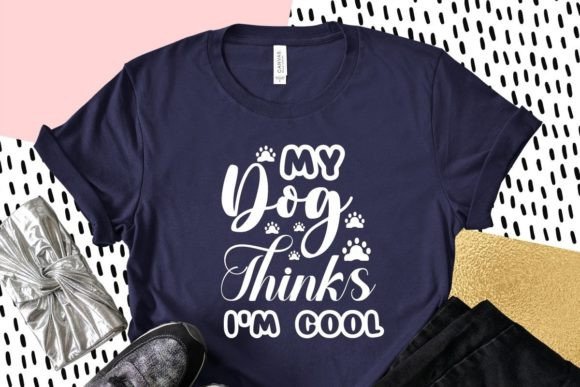
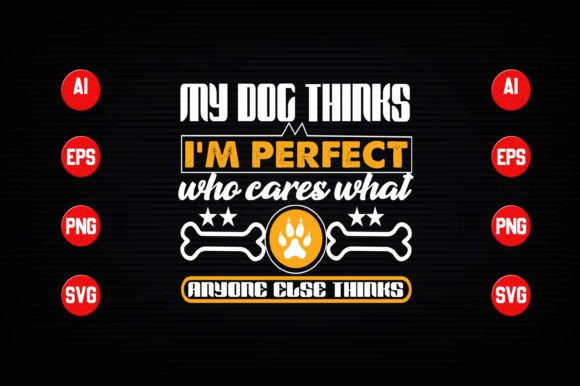
The design reads as a confident, slightly cheeky statement. The phrase “My Dog Thinks I’m Perfect” sits prominently, and the “Who Cares” tagline reinforces the attitude. It’s not trying to be elegant or overly refined—it’s meant to feel personal and relatable. That makes it a natural fit for custom apparel, handmade gifts, and small shop merchandise where customers want something that feels authentic. The shape is roughly rectangular but with a relaxed, hand-lettered cadence, so it doesn’t feel stiff. That organic quality is a real advantage when you’re stitching onto fabric, because it forgives minor alignment shifts and works with the natural drape of a garment.
From a digital embroidery file perspective, the design’s simplicity is a strength. There aren’t overly intricate flourishes or micro-details that could cause trouble at smaller sizes. The lettering is bold enough to read clearly even when you reduce the hoop size, and the spacing between words gives the stitch paths room to breathe. If you’re looking at this as a graphics product for crafts and embroidery, it offers a solid base that you can adapt to different products.
Real Case: Preparing a Custom Embroidered Tote Bag
Let’s walk through a real scenario. I was preparing a run of custom tote bags for a local pet boutique. The client wanted something fun and conversation-starting. I chose My Dog Thinks I’m Perfect Who Cares because the tone matched the shop’s personality. I hooped a medium-weight canvas tote, used a tear-away stabilizer, and ran a test stitch on scrap fabric first. The results were good—the satin stitch outlines were crisp, and the fill stitch areas covered evenly without gaps. The design’s moderate stitch density meant the fabric didn’t pucker, and the thread colors I chose (a bright white on a navy bag) popped exactly as I expected.
This is where the design’s real value shows. It doesn’t fight the fabric. It sits flat, the lettering stays legible, and the overall effect is professional without being overly formal. For a small business owner or Etsy seller, that translates to fewer rejected pieces and happier customers. If you’re producing personalized gifts or boutique items, consistency is everything, and this design delivers that.
How It Performs Across Different Products
I’ve tested My Dog Thinks I’m Perfect Who Cares on several substrates beyond the tote bag. On a cotton sweatshirt embroidery project, the design retained its shape well. The fabric had some stretch, but with a medium-weight cutaway stabilizer, the stitches stayed stable and didn’t distort. On a t-shirt, the lighter fabric required a bit more care—I used a fusible stabilizer and a slightly smaller hoop to minimize pull. The design handled it fine, though I’d recommend keeping the hoop size reasonable and not pushing it too small on thin knits.
For baby embroidery or children’s clothing, the design’s playful tone works beautifully, but you’ll want to check the size relative to the garment. A 4-inch hoop might be appropriate for a onesie or a small embroidered patch, while a larger version could go on a hoodie or apron. The design scales reasonably well, but like any letter-based piece, you need to ensure the smallest strokes remain visible after stitching. On a cap or curved surface, I’d recommend using a cap hoop and extra stabilizer to keep the lettering from distorting around the curve. The layout is linear enough that it works, but you’ll want to test the centering carefully.
I also tried it on a pillow cover and a tea towel. On the pillow cover, the design added a personal, giftable touch. On the tea towel, the bold lettering stood out nicely against the linen texture. For holiday embroidery or wedding gifts, the design could work if the recipient is a dog lover, but the tone is casual, so it’s best for relaxed settings rather than formal gifts. As a small shop product, it has strong recognition potential—people remember a funny, heartfelt message.
Where to Use This Design with Care
No design is perfect for every surface, and My Dog Thinks I’m Perfect Who Cares has some limitations worth noting. On very thin fabric or loosely woven textiles, the lettering might show some shadowing or pull if the stitch density is too high. I recommend testing on a scrap first and adjusting the stabilizer weight accordingly. On dark fabric, the design relies on contrast—make sure your thread colors are light enough to stand out, or consider using a white underlay to prevent the fabric color from showing through.
On stretchy fabrics like jersey or ribbed knits, the design can distort if you’re not careful. Use a ballpoint needle and a cutaway stabilizer to keep the stitches from pulling the fabric out of shape. If you’re working on a curved surface like a cap or a cylindrical tote handle, be aware that the linear layout may need adjustment to follow the curve naturally. You might need to re-digitize the embroidery file with a slight arc to fit the surface properly.
Small hoop sizes are another consideration. If you shrink the design too much, the finer details in the lettering may lose clarity. I’d advise keeping the minimum height around 0.75 inches for the main text to ensure readability. For tiny lettering, test it in a black and white mockup first to see if the strokes hold up. The running stitch accents and satin stitch details should remain distinct, but you’ll want to verify that before committing to a production run.
Visual Appeal and Product Value
From a buyer’s perspective, this design adds genuine handmade product value. It’s not generic—it has a personality that customers remember. For craft business owners, that translates to stronger buyer engagement and better brand consistency. If you’re listing finished items on Etsy or at a craft fair, the design’s relatable message creates an instant connection. People stop, read it, and smile. That’s hard to manufacture with a generic font or a stock graphic.
The digital product itself is offered in AI, EPS, PNG, and SVG formats, which gives you flexibility for printable mockups and design assets. You can preview the layout before stitching, adjust colors, and create product previews for your shop. The description notes that it is “100% print ready” and that color changes are possible, which is useful if you want to match your brand palette or offer variations. Just keep in mind that the color changes refer to the digital file—once you convert it to an embroidery file, you’ll need to map thread colors manually based on your machine’s palette.
Practical Embroidery Designer Notes
Before you use My Dog Thinks I’m Perfect Who Cares in a finished project, here are a few steps I always follow:
- Test on scrap fabric first. Run a sample on a material similar to your final product. Check for stitch density issues, thread breaks, or distortion. This is non-negotiable for commercial embroidery work.
- Confirm thread color contrast. View the design in black and white mockups to see if the lettering separates clearly from the background. Adjust if needed.
- Review hoop size. The design’s dimensions aren’t specified in the listing, so measure the artwork in your software and confirm it fits your hoop before cutting stabilizer.
- Inspect small details. Zoom into the joints where letters meet. Make sure the fill stitch and satin stitch boundaries don’t overlap awkwardly.
- Check light and dark fabric backgrounds. The design should read well on both. If you’re offering custom apparel in multiple colors, test the contrast across your garment range.
- Use proper stabilizer. For most fabrics, a medium-weight cutaway stabilizer will work. For stretchy or thin fabrics, adjust to a heavier stabilizer or add a topper.
- Verify licensing. The listing indicates it is “100% print ready,” but you need to confirm whether the license covers commercial embroidery and selling finished products. If you’re a digital product seller or small business owner, check the terms before using the design on items you sell or in design assets you distribute.
For applique design projects, this piece isn’t inherently an applique file, but you could adapt it by converting the lettering into an applique motif if you have the software. The bold shapes might render well in fabric layering, but that’s a customization step beyond the base file.
Final Thoughts on the Design
I’ve worked with a lot of machine embroidery design files over the years, and My Dog Thinks I’m Perfect Who Cares is a solid choice for anyone in the crafts space who wants to create products that connect emotionally with buyers. It’s not trying to be everything at once—it knows its audience and speaks to them directly. That focus makes it easier to integrate into a handmade product line without constant editing or re-digitizing. Whether you’re stitching it onto a tote, a sweatshirt, a patch, or a gift item, the design holds its own. Just take the time to test it on your chosen fabric, confirm your hoop setup, and make sure the licensing aligns with your business model. If you do that, this design will serve you well across multiple projects and seasons.