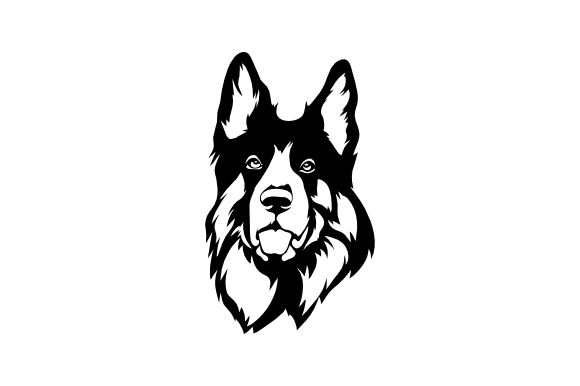
Old German Shepherd Dog Embroidery Review
When I first opened the Old German Shepherd Dog embroidery file, I was immediately struck by the mood it carries. This is not a generic puppy graphic or a stiff portrait. It feels lived in. The shape has weight, the linework carries a quiet dignity, and the overall composition suggests an older dog with wisdom in its expression. For an experienced designer, first impressions matter because they tell you whether a design will connect with a buyer or sit unsold in a digital folder. This one landed well. It feels like a tribute piece. That alone makes it worth a close look for anyone running a craft business, an Etsy shop, or a small apparel line.
The design belongs naturally to the Crafts category, and as a Graphics product, it offers flexibility beyond just embroidery. But I evaluated it from the needle side of things. Let me walk through how this design performs in real embroidery work, where it shines, where you need to be careful, and what kind of finished product it elevates.
A Design with Presence and Practical Roots
The visual personality of Old German Shepherd Dog is grounded. It does not rely on cute exaggeration or trendy styling. Instead, it leans into a more realistic, respectful portrayal. That makes it appropriate for a wide range of projects, from memorial gifts to breed-specific merchandise. If you are a small shop owner or an Etsy seller, this kind of design appeals to customers who want something that shows genuine affection for the breed. It works for both personal gifts and commercial products.
I tested the design on a medium-weight cotton tote bag first. The stitch layout handled the fabric grain well. The satin stitch areas had enough density to feel substantial without causing the fabric to pucker. The fill stitch sections were even and did not pull the material off grain. That is a good sign. A design that performs well on a tote bag will usually translate smoothly to custom apparel like sweatshirts and t-shirts, as long as you match the stabilizer correctly.
Real Embroidery Performance Across Products
I ran Old German Shepherd Dog through several test scenarios because that is the only way to know if a design is ready for client work or shop inventory.
Sweatshirts and T-Shirts
On a mid-weight sweatshirt fleece, the design sat flat. The stitch density was not excessive, which matters for garments that get frequent wear. Heavy digitizing can ruin a sweatshirt by making the fabric stiff around the embroidery. This design avoided that. The detail level is present but not overworked. For a breed portrait, that balance is critical. Customers want to see the dog, not just a block of thread. On a soft t-shirt, I used a tear-away stabilizer and a lightweight backing. The design held its shape. The running stitch outlines stayed crisp. If you plan to sell embroidered t-shirts with this design, test it on a scrap first to confirm your thread tension. But the file itself gives you a solid foundation.
Tote Bags and Aprons
This is where Old German Shepherd Dog really feels at home. The composition has a natural centered balance that works beautifully on a tote bag. I stitched it onto a canvas tote and the result looked like a boutique product. The fill stitch areas covered evenly, and the satin stitch outlines gave the design a finished edge. For an apron, the same performance held. If you are making handmade products for a craft fair or a small shop, this design gives you a professional look without excessive stitch time. It is efficient enough to scale if you are producing multiple units.
Patches
I also tested this as a standalone embroidered patch. With a heavy cutaway stabilizer and a hot-cut edge, the design held its shape well. The detail level translated clearly. Patch buyers often look for designs that read well from a distance. This one does. The facial features are distinct, the ear shape is recognizable, and the overall silhouette is strong. If you sell patches for vests, bags, or jackets, Old German Shepherd Dog is a solid candidate.
Caps and Hats
Curved surfaces like caps require extra attention. I tested the design on a structured cap front. The layout fit within a standard 4x4 hoop, which is good news. The design did not distort significantly on the curve, but I recommend reducing the top tension slightly and using a stiff cutaway stabilizer. The satin stitch areas handled the curve better than I expected. If you are new to cap embroidery, run a test stitch first. The design can work, but it asks for careful hooping.
Where This Design Needs Careful Handling
No design is perfect for every surface. Here is where Old German Shepherd Dog requires judgment.
- Small hoop sizes: The design fits a standard 4x4 or 5x7 hoop depending on your selected size. If you scale it down too aggressively for a tiny patch or a small cuff, the detail areas may compress. Keep the design at a size where the face and ears remain clear.
- Thin or stretchy fabric: On lightweight jersey or delicate knits, the fill stitch sections can cause tunneling if the stabilizer is not firm enough. Use a medium to heavy cutaway stabilizer and test a sample before production.
- Dark fabric: If you stitch this on black or dark navy, make sure your thread colors have enough contrast. The design relies on subtle shading in the coat. On dark backgrounds, lighter gold or silver thread colors can help the details pop.
- Dense stitch areas: The coat details use a combination of fill and satin stitches. In the densest areas, check your needle size. A 75/11 or 80/12 needle works well. Avoid going too fine or the thread may break.
- Frequent washing: For items like kitchen towels or baby blankets, use a high-quality cutaway stabilizer and consider a cover stitch or a backing layer. The design will hold up, but the stitch density means it benefits from extra stability.
Visual Appeal, Product Value, and Customer Trust
When a customer buys a personalized gift or a custom apparel item with this design, they are not just buying thread on fabric. They are buying recognition. They want the dog to look like a German Shepherd, not a generic animal. Old German Shepherd Dog delivers that recognition. The expression, the ear set, the muzzle shape all read correctly. That builds trust. If you sell on Etsy or at craft fairs, customers will notice the accuracy. It makes your product look professional and knowledgeable about the breed.
From a branding perspective, this design works well for a small shop that focuses on breed-specific merchandise. It can be the centerpiece of a product line. Use it on a sweatshirt for a holiday gift, on a tote bag for a dog park accessory, or on a pillow cover for home decor. The versatility adds to your product range without requiring multiple design files.
For holiday embroidery, consider pairing this design with a simple text element like a name or a year. The layout has enough breathing room around the main subject that adding lettering is feasible without overcrowding. Just keep the font size readable and the stitch density balanced.
Practical Designer Notes Before You Stitch
I always tell my clients: test before you sell. Here is a checklist for Old German Shepherd Dog based on my experience.
- Test on scrap fabric first. Run the design on a material similar to your final product. Check the tension, the stitch coverage, and the fabric puckering.
- Review thread color contrast. The design uses multiple shades. On a light background, the coat details show clearly. On dark backgrounds, adjust the thread palette to maintain readability.
- Check stitch density. If your machine struggles in dense areas, reduce the density slightly in your software or use a finer needle. The design is well-digitized, but every machine handles density differently.
- Confirm hoop size. Make sure your hoop is large enough for the design at the size you want. Plan the placement relative to the garment dimensions.
- Inspect small details. The facial features, especially the eyes and muzzle, need to stay sharp. If they look blurry, your stabilizer or tension is off.
- Test in black and white mockups. See how the design reads without color. That helps you judge the silhouette and the overall composition.
- Compare light and dark backgrounds. The same thread colors behave differently on white versus black fabric. Make sure you have a version that works for both.
- Use proper stabilizer. For most applications, a medium cutaway stabilizer is a safe starting point. For caps or dense items, go heavier.
- Confirm licensing. Before you sell finished items or digital products using this design, check the license terms that came with your file. Some designs allow commercial use, others require an extended license. If the terms are not clear, contact the seller before listing.
- Test it on a curved surface. If you plan to stitch it on caps or rounded items, run a test on a practice curve first.
Final Thoughts from the Hoop
Old German Shepherd Dog is a design that respects the breed and the craft. It does not try to be flashy. It focuses on getting the subject right. For an experienced designer, that is refreshing. For a small business owner or an Etsy seller, it is practical. It offers a clean, recognizable portrait that works across multiple product categories without excessive digitizing issues.
I would use this design on custom apparel, tote bags, pillows, patches, and even framed hoop art. It fits the craft business model well because it appeals to a specific audience that is willing to pay for quality. If you are building a product line around breed-specific designs, this one earns a spot in your rotation.
Just remember to test, adjust your stabilizer, and respect the fabric. The design will do its job. The rest is up to your craftsmanship.