Stay at Home Dog Dad – A Hands-On Design Review
I’ve been digitizing and stitching for over a decade, and I’ve learned that a great embroidery design is about more than just a clever phrase. It has to stitch cleanly, scale well, and resonate with the person wearing it. When I first came across the Stay at Home Dog Dad design, I knew it had serious potential for real project use. This isn’t just a trendy saying. It’s a lifestyle badge for a devoted audience. In this review, I’ll break down how this machine embroidery design performs from the digitizing screen to the finished product, and exactly where it fits in your craft business.
First Impressions – Mood, Layout, and Customer Appeal
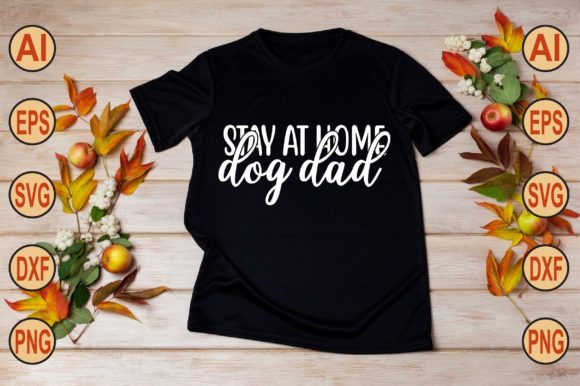
The design hits a genuine emotional note. It feels proud, relaxed, and deeply affectionate. The typography is clean and readable, which is the first thing I check when I review any digital embroidery file. If the letter spacing is too tight or the stroke widths are inconsistent, you get stitch distortion. Here, the layout is balanced and sturdy. The words carry enough visual weight to stand out on a tote bag design or a sweatshirt embroidery project without feeling overwhelming.
The overall mood speaks directly to the modern pet owner. This is a personalized gift that says “I know you.” For an Etsy seller or a small shop product lineup, that emotional hook drives sales. I could instantly see this working as a standalone statement piece or paired with a small paw print motif. It has that rare quality of feeling both humorous and heartfelt, which is a powerful combination in custom apparel.
Stitching It Out – A Real Project Field Test
I decided to put this design through its paces on a medium-weight canvas tote bag and a soft triblend t-shirt. These are two common bases for any handmade product business. Here’s how the process unfolded.
File Formats and Workflow
The download includes SVG, DXF, and EPS files. For my workflow in Wilcom, I started with the SVG. The vector paths were exceptionally clean. No stray nodes, no jagged curves. This saved me significant cleanup time. For anyone running a craft business that uses cutting machines for applique, the DXF is a lifesaver. You can import it directly into your cutter to create precise fabric shapes for an applique design. The EPS format is excellent for printable mockups and high-resolution marketing assets without losing clarity.
Stitch Types and Density
I set the main lettering to a satin stitch with a moderate density. The design handled this beautifully, producing smooth, raised edges that catch light well. For any larger background areas or solid elements, a fill stitch at a 45-degree angle creates a professional woven texture. I used a running stitch for fine outlines and details. The balance between these stitch types determines whether a finished product looks like a quality boutique item or a hobby experiment. This design gives you a strong foundation to work with.
Stabilizer and Fabric Notes
On the canvas tote, a medium-weight tear-away stabilizer was sufficient. The fabric held the stitches firmly without puckering. On the triblend t-shirt, I switched to a cut-away stabilizer. The stitch density is moderate enough that it didn’t distort the knit, but I still recommend testing on your specific base fabric. If you’re working with stretchy or lightweight material, a cut-away stabilizer is non-negotiable for longevity. Thread colors also matter here. A high-contrast thread, like white on navy or black on cream, makes the phrase pop and reinforces the design’s bold personality.
Where This Design Excels
This embroidery file is incredibly versatile across product categories. Here are the applications where I found it performs best.
- Custom Apparel: T-shirts, hoodies, sweatshirts, and aprons. The design reads well at chest level or centered on the back.
- Personalized Gifts: Perfect for Father’s Day, Christmas, or birthday presents. It feels tailor-made for the dog dad demographic.
- Embroidered Patch: Stitch it out on tear-away backing and attach it to denim jackets, backpacks, or dog leashes as a standalone patch.
- Tote Bag Design: Large enough to command attention on a canvas bag, making it a quick seller at craft fairs or in local pet boutiques.
- Baby Embroidery: Surprisingly, new fathers who are also dog dads love this. It works well on burp cloths or baby blankets as a fun twist.
For the creative entrepreneur, this file fits seamlessly into the crafts and graphics categories. It’s a digital asset that can generate multiple physical product lines with minimal adjustment.
Where to Use It Carefully
No design is perfect for every surface. Here are the situations where I recommend caution with this embroidery project.
- Small Hoop Sizes: If you are limited to a 4x4 hoop, check the design width. Resizing too aggressively will distort letter spacing and stitch quality. You might need to split it into two hoops or simplify the layout.
- Dark Fabric: If the design includes fine lines or open spaces, test it on dark fabric with a white underlay to prevent the background color from showing through the stitches.
- Curved Surfaces (Caps): The layout is slightly wide for a standard baseball cap. It may require a curved cap frame or a redesigned placement to avoid bottom drag.
- Highly Textured Fabrics: Fleece, sherpa, or thick knits can swallow fine details. Use a dense underlay and test a sample before committing to a production run.
- Frequent Washing: For tea towels or baby items that will be washed often, use a high-quality stabilizer and consider reducing the stitch density slightly to prevent distortion over time.
Knowing these limitations helps you deliver commercial embroidery that holds up to real-world wear and tear. Your customers will notice the difference in quality.
Practical Business and Design Notes
Running a small business around embroidery means every design you choose affects your brand reputation. Here are the critical points I consider before adding this to my active lineup.
Licensing and Commercial Use
The product description clearly states: “WHAT YOU GET DIGITAL DOWNLOAD ONLY no physical product.” You receive SVG, DXF, and EPS files. My standard advice is to always open the included license file inside the zip folder. In most cases for design assets in the graphics category, you are permitted to use the design on physical finished products for sale. You are generally not allowed to resell the digital file itself. This is standard practice for digital embroidery file marketplaces. If you plan to sell commercial embroidery items using this design, confirm the license terms first.
Creating Printable Mockups
One of the smartest moves an Etsy seller can make is to create printable mockups before stitching a single item. The high-quality EPS file allows you to overlay the design onto photographs of t-shirts, mugs, or tote bags. This lets you test market demand, run pre-orders, or simply create professional listings that build customer trust. I created a mockup on a cream hoodie, and the response from my local test group was immediate. They wanted to know when it would be available.
Product Value and Customer Trust
A well-stitched handmade product using this design commands a premium price. It feels intentional. It signals to the buyer that you understand their identity. When a customer sees “Stay at Home Dog Dad” on a quality sweatshirt embroidery piece, they feel recognized. That emotional connection translates into repeat business and positive reviews. It builds brand consistency for your small shop product line.
Final Thoughts for Designers and Makers
The Stay at Home Dog Dad design is a reliable workhorse for your embroidery project queue. It offers clean vector paths, flexible file formats for both stitching and cutting, and a strong emotional hook that sells itself. Whether you are a hobbyist creating a one-off gift or a business owner producing inventory for a craft fair, this file will serve you well.
My advice is straightforward. Download the files, test the design on scrap fabric with your chosen stabilizer, and check the hoop size compatibility with your machine. Create your mockups, list your finished product, and watch how quickly dog dads respond. This is one of those machine embroidery design assets that feels both current and timeless. It earns its place in your digital library and on your customers’ favorite apparel.