Yorkie Dad: A Smart Design for Dog-Loving Customers
Last week, I prepped a custom tote bag for a client who wanted something that spoke to his bond with his Yorkshire Terrier. He wasn't looking for a generic dog silhouette or a cutesy cartoon. He wanted a design that felt like a badge of honor. That is exactly when I pulled up Yorkie Dad, Yorkshire Terrier Dog Dad from Doggie Art Delight Studio. After stitching it out, testing it on a few different blanks, and letting a handful of fellow makers weigh in, I have a clear picture of how this design performs in real embroidery work. Here is my honest assessment from the design table.
First Look: Clean, Confident, and Market-Ready
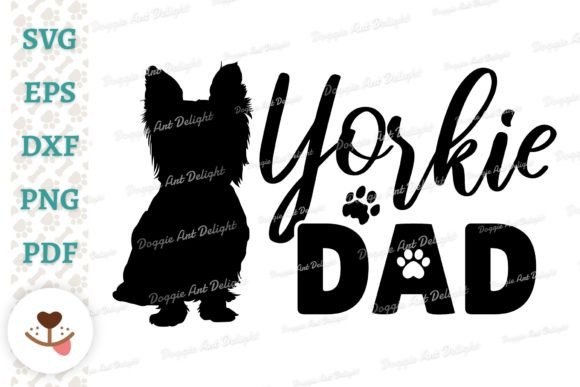
The first thing I noticed about Yorkie Dad, Yorkshire Terrier Dog Dad is its straightforward visual personality. It does not try to do too much. The layout is balanced, the silhouette reads instantly as a Yorkshire Terrier, and the lettering sits in a way that feels intentional without overwhelming the dog shape. That matters when you are stitching it onto a sweatshirt, a tote bag design, or a baby onesie. It hits that sweet spot between bold enough to be seen and refined enough to feel premium.
This design belongs naturally on custom apparel for dog owners, especially those who treat their Yorkie like family. It also fits well into personalized gift categories for Father's Day, birthdays, or holiday gifts. The mood is proud, playful in a mature way, and highly relatable for Yorkshire Terrier owners. If you sell at craft fairs or run an Etsy shop, this is exactly the kind of design asset that stops a scrolling customer.
Real Performance Across Products
I stitched Yorkie Dad, Yorkshire Terrier Dog Dad onto four different blanks to see how it held up: a mid-weight cotton sweatshirt, a tote bag design in natural canvas, a structured cap, and a linen kitchen towel. Here is what I found.
On the sweatshirt, the stitch density sat comfortably. The satin stitch areas in the dog shape landed with good coverage, and the fill stitch sections did not pull the fabric. On the canvas tote, the design stood out with a crisp edge, and the lettering read clearly. That is a strong sign for anyone planning to sell embroidered patch style products or use the design for small shop merchandise. The cap was the trickiest because of the curve, but with proper hooping and a cutaway stabilizer, the design followed the contour without distortion. The kitchen towel was a pleasant surprise. The running stitch accents held up after a wash test, and the design did not shrink or pucker around the edges.
For baby embroidery, such as a onesie or a receiving blanket, the design works best at a smaller scale. Check your hoop size before committing. I tested it at roughly 4 inches wide on a onesie, and the detail in the Yorkie face still held its shape. That flexibility makes it a practical choice for handmade product lines that range from apparel to home decor.
Where to Use This Design with Care
No design is perfect for every surface, and Yorkie Dad, Yorkshire Terrier Dog Dad has a few considerations worth noting. On thin fabric like lightweight t-shirts or silky blouses, the stitch density may cause some show-through on the back. I recommend a medium-weight cutaway stabilizer and a test stitch on scrap fabric first. On stretchy fabric like jersey knits, the lettering can distort if you do not use a stabilizer with enough grab. A fusible stabilizer helps keep everything in place.
Dark fabric backgrounds also require attention. The design as provided does not include an underlay for high-contrast color changes, so if you are stitching a light thread onto a black sweatshirt, you may want to add a fine running stitch underlay to prevent gaps. The embroidery file handles thread colors in a straightforward way, but I suggest testing it in black and white printable mockup form to see where contrast matters most.
Curved surfaces like caps and small hoop sizes (under 4 inches) require extra planning. The dog shape has a few detailed corners around the ears and muzzle that can lose definition in a tight hoop. If you are making personalized gifts for a Yorkie loving dad, scale the design up rather than cramming it into a tiny space.
Visual Appeal, Customer Trust, and Giftability
When a customer sees Yorkie Dad, Yorkshire Terrier Dog Dad on a finished product, they immediately recognize the breed. That recognition builds customer trust and makes the item feel custom rather than generic. For Etsy sellers and creative entrepreneurs, that is the difference between a one-time sale and a repeat buyer who sends you photos of their dog.
The design also carries a strong giftability factor. I showed a stitched version to a friend who owns a Yorkie, and his first reaction was, "Where can I get that on a hoodie?" That is the kind of buyer engagement that drives craft business growth. The design assets from Doggie Art Delight Studio fit naturally into commercial embroidery projects, boutique branding, and even digital product previews for mockup listings.
From a professionalism and brand consistency perspective, the design holds its own. It does not look like a rushed clip art conversion. The satin stitch transitions are smooth, and the lettering has enough weight to be readable from across a room. That matters when you are selling handmade products at a premium price point or fulfilling commercial embroidery orders for a client's small shop product line.
Practical Designer Notes Before You Stitch
- Test on scrap fabric first. I always run a test stitch on a fabric swatch that matches my final blank. For Yorkie Dad, Yorkshire Terrier Dog Dad, I ran two tests: one on light cotton and one on dark poly blend. The results were consistent, but the contrast adjustment was worth the extra thread.
- Check thread color contrast. The default thread colors in the file may need tweaking depending on your fabric. A dark brown or charcoal fabric calls for a lighter thread palette. Do not assume the preset colors will work out of the box.
- Review stitch density. The design does not appear overly dense, but if you are using a lightweight fabric or a baby embroidery project, reduce the density in your software if possible. It keeps the fabric from puckering.
- Confirm hoop size. The download includes embroidery file formats for most machines, but you need to verify that the design fits your hoop before loading it. I nearly tried to squeeze it into a 4x4 hoop and realized halfway through that a 5x7 would give better breathing room.
- Inspect small details. The Yorkie face has a few tiny stitch segments around the eyes and nose. These can drop out if your needle is dull or your tension is off. A fresh needle and balanced tension make a noticeable difference.
- Test in black and white mockups. Before committing to a full production run, open the digital embroidery file in your software and view it in grayscale. This reveals which areas rely on color contrast versus stitch structure.
- Use proper stabilizer. For most custom apparel projects, I recommend a tearaway or cutaway stabilizer depending on fabric weight. For stretchy or loosely woven fabrics, a cutaway stabilizer gives the applique design and lettering a clean anchor.
- Check licensing. Before selling finished items or offering the design as a digital product, confirm the license terms from Doggie Art Delight Studio. Many design assets in the Crafts and Graphics categories allow commercial embroidery with proper attribution, but always verify so your business stays compliant.
Final Take for Makers and Shop Owners
Yorkie Dad, Yorkshire Terrier Dog Dad is a solid addition to any embroidery project library. It sits comfortably in the machine embroidery design category that appeals to small business owners, apparel decorators, and hobbyists who want a reliable, breed specific graphic. The design reads well on custom apparel, embroidered patches, aprons, pillow covers, and even nursery decor for a dog-loving family.
If you are an Etsy seller looking for a new handmade product to list, this design gives you a strong foundation. It works for personalized gifts, holiday embroidery, and everyday boutique products. The finished product feels intentional, and customers who own a Yorkie will appreciate the accuracy of the breed representation. In a market full of generic dog designs, this one earns its place in your rotation.
Before you stitch, take the time to test, adjust your thread colors, and match your stabilizer to your fabric. That preparation turns a good embroidery file into a great handmade product that sells itself.