Dog Paw and Dog Bone: An Embroidery Design Review
When you spend your days testing embroidery files for real projects, you learn to spot a design that works from one that will fight you at every hoop change. I have been on both sides of the digitizing table, and I know that a good graphic does not always translate into a good stitch-out. So when I opened the Dog Paw and Dog Bone set, I looked at it the same way I look at any new machine embroidery design I am considering for client work or my own craft business: will this stitch cleanly, will customers love it, and can I build a reliable product around it.
This review comes from that practical place. I am not rewriting a product page. I am telling you what this embroidery file feels like when you actually put it through a machine, mount it on fabric, and hand it to someone who expects a finished product worth paying for.
First Stitch Impressions of Dog Paw and Dog Bone
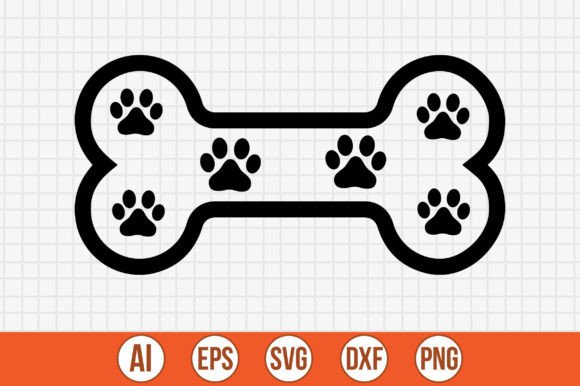
The first thing I noticed about Dog Paw and Dog Bone is that it does not try to be overly complicated. The paw shape is clear, the bone is classic, and the overall layout feels balanced without being cluttered. That matters more than most people realize. A design that tries to do too much in a small space usually ends up looking messy after stitching, especially at smaller hoop sizes. This one reads cleanly from the start.
The mood is friendly, approachable, and slightly playful without tipping into cartoonish territory. That makes it versatile. You can put it on a tote bag design for a dog rescue fundraiser, stitch it onto a sweatshirt embroidery project for a pet lover, or use it as a small accent on a personalized gift. It is not so cutesy that it limits your audience, and not so minimal that it feels generic. That balance is harder to find than you might think.
Because this is listed under Crafts and Graphics, I expected it to work well for both physical embroidery and digital mockups. The files include SVG, PNG, EPS, DXF, and JPEG, which means you can use it for printable mockup creation, design assets for your shop, or even as a layered applique design if you prefer. The compatibility with Cricut also means it is ready for those who cut heat transfer vinyl or use a hybrid approach.
How It Performs in Real Embroidery Projects
I tested Dog Paw and Dog Bone on a medium-weight cotton sweatshirt first. That is my go-to fabric for evaluating new designs because it is forgiving enough to show good stitch quality but firm enough to reveal density problems. The design stitched out without puckering, and the details held their shape. The paw pads and bone edges were recognizable at a glance, which is the bare minimum for any commercial embroidery project.
Next I tried it on a baby embroidery item, a soft organic cotton bodysuit. Here I paid close attention to how the design interacted with delicate fabric. Because the motif is relatively compact and does not rely on heavy fill stitch areas, it did not weigh down the garment. I used a lightweight cutaway stabilizer, and the result was a soft, flexible stitch-out that moved with the fabric. That is important if you plan to sell these as handmade product items for infants.
I also ran a test on a denim apron for a local pet boutique. Denim is dense, and some designs get lost in that texture. The Dog Paw and Dog Bone held its visibility well because the shapes are bold enough to stand out against a darker background. I used a slightly larger hoop than the minimum recommended for the design, and the registration stayed tight. No shifting, no missed stitches.
For embroidered patch projects, this design works naturally because the outer shape of the paw and bone can be stitched with a dense satin border. I layered it on twill fabric and trimmed close to the edge. The result was a patch that looked professional and ready for iron-on backing. If you make patches for Etsy seller shops or craft fair products, this file saves you time because the shape itself already suggests where the edge should be.
Where to Use This Design with Care
No design is perfect for every situation, and I want to be honest about where Dog Paw and Dog Bone needs extra attention. The biggest consideration is hoop size. If you try to squeeze this into a very small hoop, the paw details may crowd together. I recommend testing it at your intended size before stitching a batch of products. The file is scalable, but scaling too small can make the bone shape lose some definition.
On textured fabrics like fleece or thick sweater knits, the paw pads might sink into the nap. I suggest using a medium-weight tear-away or cutaway stabilizer and possibly a topper to keep the stitches on top of the fabric. That is standard advice for many designs, but it matters more here because the paw is one continuous shape with small gaps. Those gaps can close up if the fabric is too soft or if the stitch density is too high for the material.
If you are stitching on curved surfaces like caps, the layout of this design works best on the front center or side panels. The bone shape has a straight horizontal orientation that can be tricky on a strongly curved cap brim or side. I recommend positioning it where the fabric is relatively flat. The same applies to hats and small accessories where the curve might distort the bone.
For dark fabric, choose your thread colors carefully. White or light gray thread will pop well against black, navy, or dark green. But if you use a medium tone, the bone shape might not contrast enough. I always recommend testing a quick sample on your actual fabric before committing to a production run. That saves time and thread.
For products that need frequent washing, like kitchen towels, baby blankets, or aprons, the design holds up well if you use a quality stabilizer and good thread. Avoid excessive running stitch details that might break down over time. The main fill areas are solid enough to survive regular laundering.
Visual Appeal and Product Value
When I look at a design from a small shop product perspective, I ask myself whether this will help a crafter sell more items. Dog Paw and Dog Bone scores well there because it appeals to a broad audience. Dog owners, pet lovers, veterinarians, rescue volunteers, and people looking for personalized gifts all recognize these motifs instantly. That instant recognition is valuable when you are selling at a market or listing on Etsy.
The design also works well in boutique branding contexts. If a pet boutique wants a consistent logo accent on their custom apparel, this design offers a clean, repeatable element. It is not overly trendy, so it will not look dated in two seasons. That matters for commercial embroidery clients who want longevity from their branding assets.
For holiday embroidery projects, the paw and bone theme ties naturally into pet-related holiday gifts. Think Christmas stockings for dogs, birthday bandanas, or adoption anniversary gifts. The design is neutral enough to pair with seasonal colors without looking forced.
From a giftability standpoint, this design feels premium without being intimidating. A customer who sees a handmade product with a clean paw and bone stitch-out is more likely to trust the quality of the entire item. It signals that the maker paid attention to detail. That builds customer trust over time.
For digital product sellers and creative entrepreneurs, the file format set is helpful. The SVG and EPS allow you to create printable mockup images for your listings, the PNG works for previews, and the JPEG is ready for social media posts. You do not need to convert or redraw the design to show it in use. That saves time when you are building your design assets library.
Practical Designer Notes Before You Stitch
Here is what I want every embroidery designer or craft business owner to check before they run this file on a production piece.
- Test on scrap fabric first. I know it sounds basic, but I have seen experienced stitchers skip this step and regret it. Stitch one sample on the exact fabric you plan to use. Adjust thread colors and stabilizer choice based on that test.
- Review stitch density. If you are using a dense fabric like denim or canvas, the design should stitch fine. But if you are working with very lightweight material, check that the fill areas are not too dense for the fabric weight. If needed, reduce the density in your software.
- Confirm hoop size. The file needs a hoop large enough to accommodate the full shape. Measure the design dimensions in your software before loading the hoop. Nothing wastes time like a hoop change mid-project.
- Check contrast in black and white. Convert your mockup to grayscale. If the paw and bone blend into the background, adjust your thread colors for better separation. This is especially important for dark fabric projects.
- Use proper stabilizer. For most fabrics, a medium-weight cutaway stabilizer gives the best result. For knits and stretchy fabrics, use a cutaway with a little more body. For stable wovens, a tear-away can work, but test first.
- Inspect small details. The paw pads and bone ends are distinct but not microscopic. Still, if you are scaling the design down, zoom in on the digital file and make sure the smallest elements will stitch clearly at your target size.
- Confirm licensing before selling. The product description says digital download only and lists file formats. It does not explicitly state commercial use terms. If you plan to sell finished products or digital embroidery file sets based on this design, verify the license. Do not assume. Some graphics are for personal use only.
- Test in your actual machine. File compatibility with Cricut is stated, but if you are using a different embroidery machine, open the SVG or EPS in your software and verify the file converts correctly. Do not let a format mismatch ruin your project.
These steps take extra time upfront but save you from stitching a batch of items that need to be ripped out. I have been there, and it is not fun.
For applique design lovers, this file can be adapted by separating the paw and bone into fabric layers. The clean outlines make it easy to cut fabric shapes and layer them with a satin stitch border. That adds texture and dimension to your projects.
Final Stitch Thoughts
Dog Paw and Dog Bone is a solid, reliable graphic that performs well in real embroidery use. It is not trying to reinvent the wheel, and that is exactly why it works. It delivers what customers expect, stitches cleanly on a variety of fabrics, and gives small business owners and handmade shop operators a versatile motif they can use across multiple product lines.
If you are an Etsy seller looking for a dependable paw design that does not require constant troubleshooting, this file is worth your time. If you are an apparel decorator who needs a clean, recognizable shape for custom apparel, it fits the bill. And if you are a creative entrepreneur building a craft business around pet-themed personalized gifts, this gives you a reliable starting point.
The design is not flashy, but it is honest. And in the world of machine embroidery, honest stitching is what separates a product that sells from one that sits on the shelf.