Mom Design Dog Mother Wine Lover: Embroidery Review
I recently pulled up a design called Mom Design Dog Mother Wine Lover while preparing a custom order for a repeat client who runs a small boutique. She wanted a line of personalized tote bags and sweatshirts aimed at moms who appreciate humor with a handmade touch. Before I sent this design to the machine, I sat with it for a while, thinking about how it would stitch out, how it would hold up after repeated washing, and whether it would land well with the kind of customer who values both craft quality and a good laugh. This review comes from that kind of practical evaluation, the kind you do when a real project depends on a design delivering what it promises.
A Design That Knows Its Audience
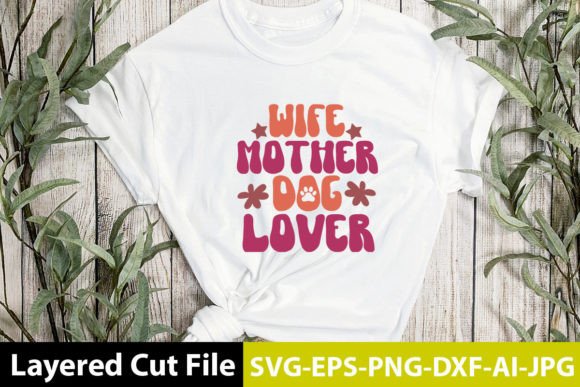
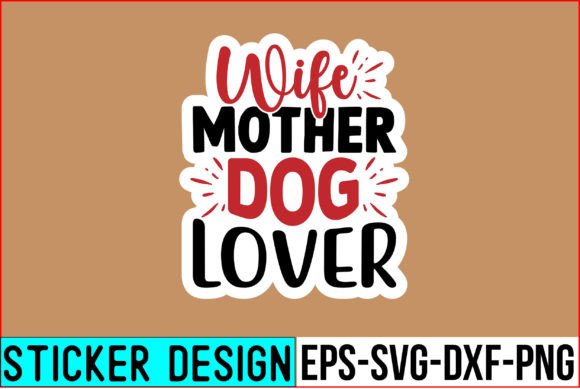
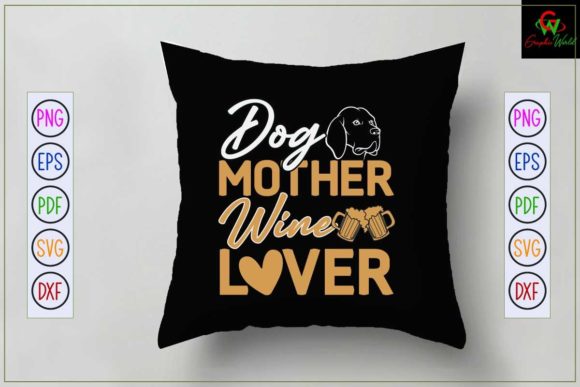
The first thing you notice about Mom Design Dog Mother Wine Lover is how directly it speaks to a specific mood. The theme combines motherhood, a love for dogs, and a lighthearted nod to wine culture. That is a popular combination for a reason. It feels personal without being overly sentimental, and it carries a sense of humor that many customers appreciate in handmade products. The typography has a vintage feel, which gives it character beyond a simple text layout. The layout itself is relatively straightforward, which is usually a good sign for embroidery. When a design tries to do too much visually, it can become a headache under the needle. This one keeps the elements clear and readable, which tells me the designer understood the importance of legibility in stitched form.
The overall mood is warm, relatable, and slightly playful. It is the kind of design that works well for a mom who might not want something overly sweet or formal but still wants a product that feels intentional and well-made. From a craft business perspective, that is a valuable niche. Designs that connect emotionally with a buyer while remaining easy to produce are exactly what small shop owners and Etsy sellers should look for.
Testing It on Custom Apparel and Gifts
I tested Mom Design Dog Mother Wine Lover on a medium-weight cotton sweatshirt first, using a standard hoop size and a tearaway stabilizer. The lettering stitched out cleanly, and the vintage typography translated well into satin stitch and fill stitch combinations. The design sat flat on the fabric without puckering, and the stitch density felt balanced enough to hold its shape without making the fabric stiff. That is an important detail for anyone producing custom apparel. A design that feels too heavy or dense can ruin the drape of a garment, especially on lighter fabrics like t-shirts or blouses.
Next, I moved to a structured tote bag made from cotton canvas. This is where a design like this really shines. Tote bags are a staple for handmade product lines, and the sturdy fabric handles the stitch count well. The design held its clarity even after I ran a few test stitches on a folded edge. For small business owners who sell at craft fairs or through Etsy, a tote bag with a clean, readable design often becomes a bestseller. It is practical, giftable, and easy to photograph for listings and printable mockups.
I also tested it on a linen kitchen towel, which is a popular item for holiday gifts and boutique merchandise. The design worked well here too, though I recommend a water-soluble stabilizer on top to prevent the stitches from sinking into the weave. That is a standard adjustment for textured fabrics, and it made a noticeable difference in the final appearance. The design maintained its vintage charm even on a smaller surface, which is not always the case with typography-heavy layouts.
For customers who produce embroidered patches, this design would also convert nicely. The layout is compact enough to fit within a patch border, and the vintage style lends itself well to applique work. If you sell patches at markets or include them as add-ons in your shop, Mom Design Dog Mother Wine Lover offers a strong commercial option.
Where the Design Needs Careful Handling
No design is perfect for every surface, and Mom Design Dog Mother Wine Lover has a few limitations worth noting. The lettering, while clear, includes some fine details that may not stitch out well in very small hoop sizes. If you are working with a hoop under four inches, the text could lose readability, especially in areas where the stroke width is thin. I recommend testing the design at the intended size before committing to a batch of products.
Stretchy fabrics like jersey knit or performance wear also require extra attention. The design itself is not overly dense, but any typography-based layout can distort if the fabric shifts during stitching. Use a cutaway stabilizer for knits and consider a lightweight interfacing to keep the fabric stable. For baby clothes or children's items, where the fabric is often soft and delicate, the same precautions apply. The design can work on a baby onesie or a toddler t-shirt, but only if you stabilize properly and choose a smaller size that keeps the lettering readable.
Dark fabrics are another consideration. The design relies on contrast between the thread color and the background. If you stitch it in a dark thread on a dark fabric, the vintage details will be lost. I always recommend testing thread color combinations on a scrap piece first, especially if you plan to offer the design in multiple colorways. A light or metallic thread on a dark background can create a striking effect, but it requires testing to ensure the stitches pop the way you want.
Curved surfaces like caps or rounded edges on aprons can also pose a challenge. The design is not inherently curved, so it may need manual digitizing adjustments to wrap properly around a hat crown or a curved pocket. If you offer embroidered caps in your shop, budget time for that extra digitizing step.
What This Design Does for Your Finished Product
From a customer trust perspective, a design that stitches cleanly and reads easily adds significant value to a finished product. When someone buys a personalized gift or a piece of custom apparel, they are paying for the quality of the execution as much as the design itself. Mom Design Dog Mother Wine Lover delivers that execution reliably when used on appropriate fabrics and with proper stabilizer. The vintage typography gives it a professional look that elevates a simple t-shirt or tote bag into something that feels thoughtfully made.
For handmade product presentation, this design supports a cohesive brand identity. If your shop leans toward rustic, cozy, or humor-driven aesthetics, this design fits naturally. It also works well in combination with other motifs if you offer layered or multi-design layouts. The visual personality is strong enough to stand alone but flexible enough to pair with simple borders or accent stitches.
Giftability is another strong point. Moms who love dogs and enjoy wine are an easy demographic to market toward, but the design does not feel generic. It has enough personality to feel specific to the recipient, which is what drives repeat business in the gift market. I have seen similar designs perform well in holiday bundles, Mother's Day collections, and even wedding gift sets for moms of the bride or groom.
Buyer engagement also benefits from a design that tells a story. Customers are more likely to share a product on social media or leave a positive review when the design makes them feel understood. This design has that quality. It is not trying to be everything to everyone. It knows who it is for, and that confidence translates into a stronger finished product.
Embroidery Designer Notes Before You Stitch
Before you load this design into your machine, I recommend a few practical steps. First, test it on scrap fabric that matches the weight of your final product. Check the stitch density and look for any areas where the satin stitch or fill stitch might overlap awkwardly. If you notice any gaps or uneven edges, adjust the digitizing parameters before running a production batch.
Second, review thread color contrast against both light and dark fabric backgrounds. A simple black and white mockup can help you see where the design might lose clarity. If you plan to offer the design in multiple colors, test each combination. What looks good on screen may not translate the same way in thread.
Third, confirm your hoop size before you start. The design should fit comfortably within your hoop without crowding the edges. If you are working with a smaller hoop, consider resizing the design or cropping any unnecessary border elements. Keep in mind that resizing a digital embroidery file can affect stitch density, so always test after scaling.
Fourth, use appropriate stabilizer for your fabric type. For most woven cotton and canvas, a tearaway stabilizer works well. For knits, stretch fabrics, or loosely woven materials like linen, a cutaway stabilizer is a safer choice. If you are stitching on a towel or a textured surface, add a water-soluble topping to keep the stitches from sinking.
Fifth, check the licensing terms for commercial use. Since this listing is for a digital download, confirm whether you are allowed to use the design on finished products for sale. Many Craft category digital assets allow commercial use with restrictions. Always verify before listing items in your shop or selling at craft fairs.
Finally, consider how the design will look in your product photography and printable mockups. A clear, well-stitched design photographs better and helps your listings stand out. If you sell on Etsy or through your own small shop, the visual quality of your product images directly affects buyer trust and conversion rates.
For those who use sublimation alongside embroidery, this design also works as a Graphics asset for printed items. The vintage typography translates well onto mugs, koozies, and other sublimation blanks. That versatility makes it a useful addition to any craft business that offers both stitched and printed products.
Final Verdict for Small Shop Use
Mom Design Dog Mother Wine Lover is a solid digital design for embroidery projects aimed at a specific, engaged audience. It stitches cleanly on most medium-weight fabrics, holds up well on structured items like tote bags and sweatshirts, and offers enough personality to drive customer interest. It requires some care on stretchy or textured fabrics, and it may need manual adjustments for curved surfaces, but those are standard considerations for any typography-based embroidery file.
For the small business owner, Etsy seller, or handmade product maker, this design delivers practical value. It is easy to incorporate into a product line, giftable across multiple occasions, and strong enough to support a professional presentation. If you are looking for a design that connects with a specific customer base without complicating your production process, this one is worth testing in your next embroidery project.